
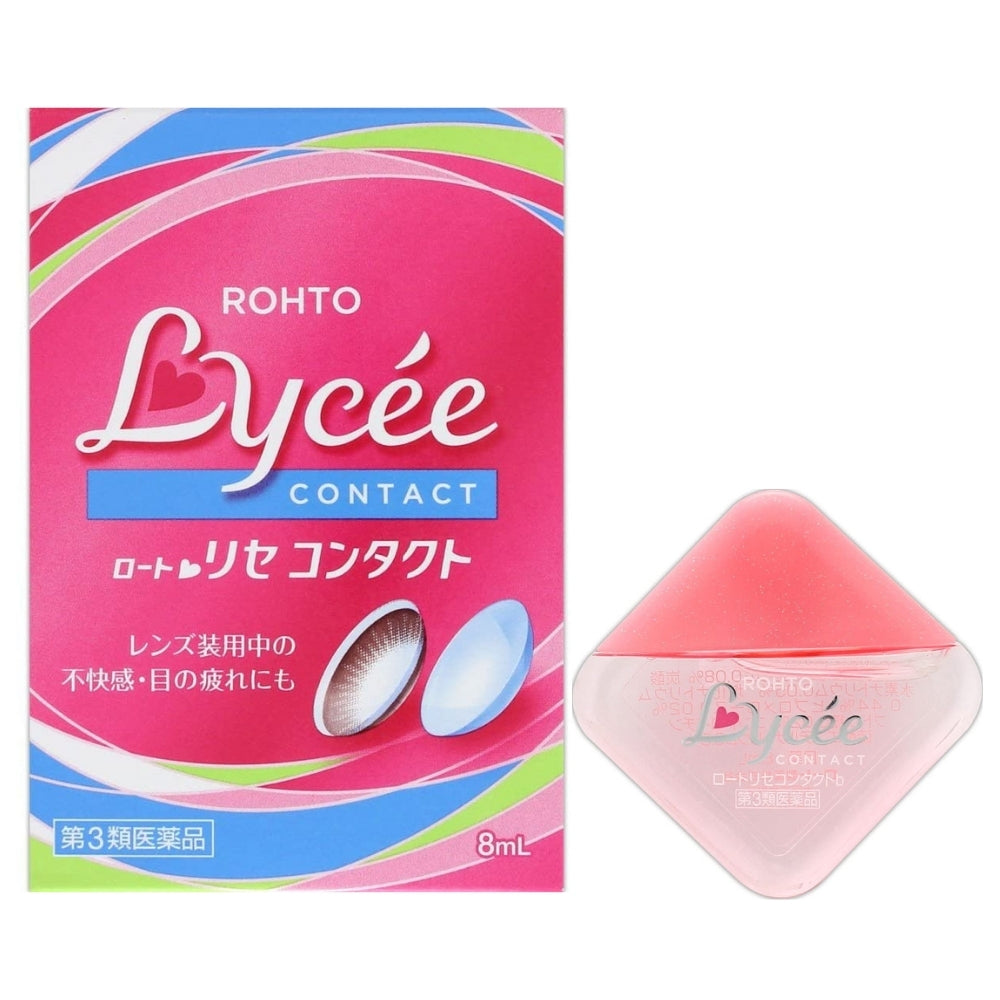


Description
The composition includes 5 components for moisturizing:
- Chondroitin sulfate sodium (0.5%) - to protect the cornea, moisturize it, prevent dryness of the eye surface
- Potassium chloride 0.08% - to regulate pressure in cells, transport amino acids, conduct nerve impulses
- Sodium chloride 0.44% - to eliminate edema
- Sodium bicarbonate 0.05% - for antiseptic effect
- Hydroxyethylcellulose - HEC 0.02% - to form a protective film and provide an astringent effect.
Rohto Lycee Contact are soft drops recommended for wearing any type of contact lenses.
Rohto Lycee Contact drops are the best way to moisturize the surface of the eyes when wearing lenses of any type - hard, colored, soft, etc. The drug has a low level of freshness, that is, the sensations from use will be as close as possible to washing the eye with natural tears.
The drug contains useful ingredients - hydroxyethylcellulose (hypromellose), as well as chondroitin. The product will be an excellent method of keeping the surface of the organs of vision moisturized, which prevents pathologies of the mucous membrane. In addition, moisturizing the eye increases the viscosity of the liquid part of the epithelium, softens the cornea and provides it with protection from external factors, such as friction from lenses.
The drops contain minerals that can regulate pressure inside the eye and reduce swelling. Potassium chloride optimizes the transport of amino acids and ensures normal conduction of nerve impulses.
Sodium bicarbonate is a good antiseptic needed to relieve inflammation and prevent eye infection. This composition of the product eliminates the negative impact of lenses on the surface of the eye.
Drop freshness index - 3
Rohto Lycee Contact is a very delicate and soft solution even for those with sensitive eyes. The new design of Rohto Lycee Contact ophthalmic drops has been available since 2014.
Features:
- long-lasting hydration of the organs of vision due to the presence of chondroitin and hydroxyethylcellulose in the composition
- antiseptic effect;
- decongestant properties;
- lowering pressure inside the eyes, optimizing nutrient transport, which is ensured by the presence of minerals.
Recommended use:
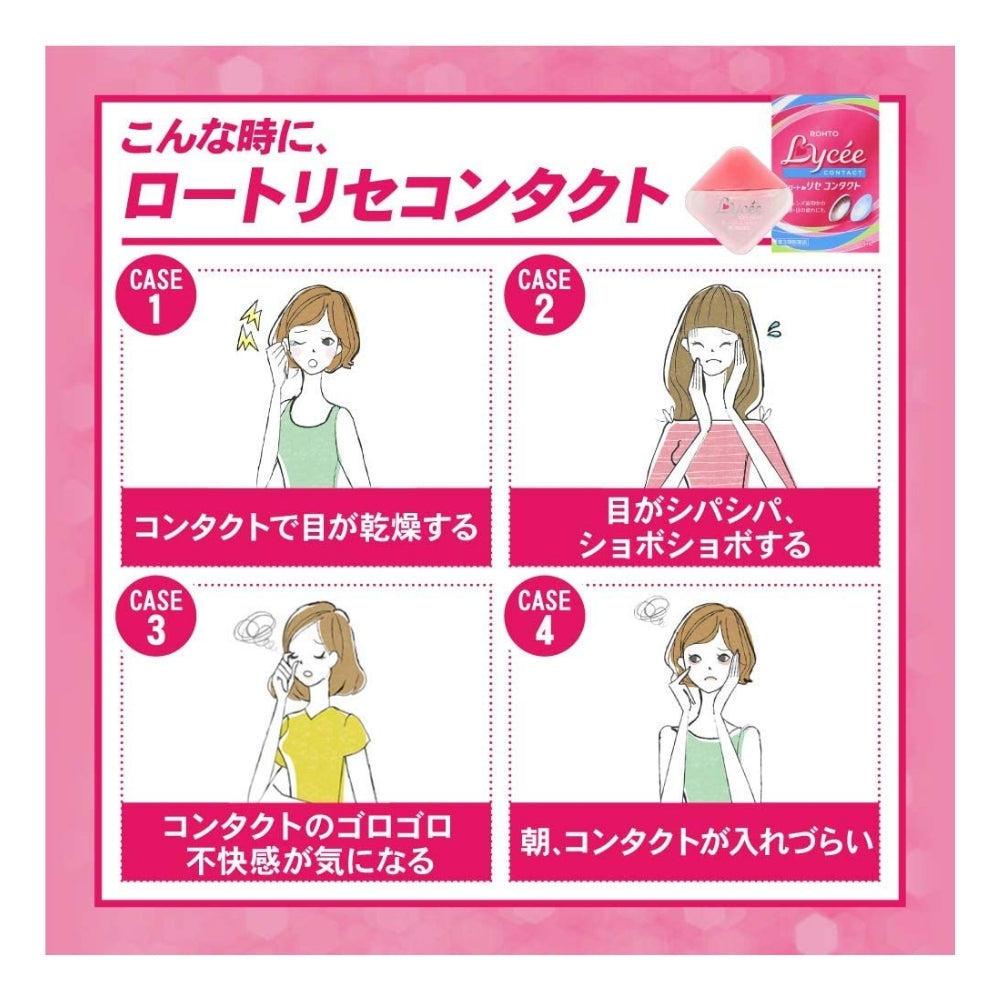
- fatigue, pain, eye strain
- dry eye surface
- blurred vision due to mucus accumulation
- contact with the eyes of contaminants, infectious particles
Other components of the drops: borax, polyoxyethylene castor oil, boric acid, polypropylene glycol (poloxamers), sorbic acid, sodium ethylene diamine tetra, geraniol, l-menthol, pH agent.
Recommendations for use:
For mild fatigue - one drop in each eye.
For severe fatigue - 2-5 times a day, 1-2 drops.
Bottle capacity: 8 ml.
Contraindications:
- eye treatment with other drugs
- allergic reaction to the components of the drops
- allergic reactions caused by the use of other drugs
- chronic severe eye pain
- with a diagnosis of glaucoma
Symptoms that should cause you to stop taking the drops:
- the appearance of rashes and redness on the skin
- irritation and swelling of the eyes, severe itching
Precautions and storage requirements:
- store in a dark and cool place, out of reach of the sun, with the lid closed
- protect from high temperatures and mechanical deformations
- do not pour into another container
- keep away from children
- do not touch the dropper with eyelashes and fingers to prevent contamination of the composition
- instill only into the eyes
- do not share with other people
- do not use after expiration date
- over time, white crystals may form in the container; the drops can be continued to be used by straining through cheesecloth
Detailed description of each of the drop elements Rohto Lycee Contact
Sodium chondroitin sulfate and sodium hyaluronate are biological polymers concentrated in the extracellular matrix of both animals and humans. The cornea is the eye tissue that has the highest concentration of sodium chondroitin sulfate, while the aqueous humor and CT contain the highest concentration of sodium hyaluronate.
Aminocaproic acid (Epsilon) - a substance that reduces inflammation and plasminogen production. It also has a hemostatic effect, promoting coagulation processes during bleeding associated with fibrinolysis (with an increase in the fibrinolytic activity of the blood). The specific hemostatic effect of aminocaproic acid is to relieve plasminogen activators and block the action of plasmin. Aminocaproic acid is also used to stop bleeding during surgical interventions and various pathological conditions accompanied by an increase in fibrinolytic activity of blood and tissues (liver diseases, acute pancreatitis, etc.), with hypofibrinogenemia; for burn disease and shock, for bleeding associated with leukemia and hypoplastic anemia, for hemophilia. Aminocaproic acid is excreted from the body by the kidneys quite quickly.
.