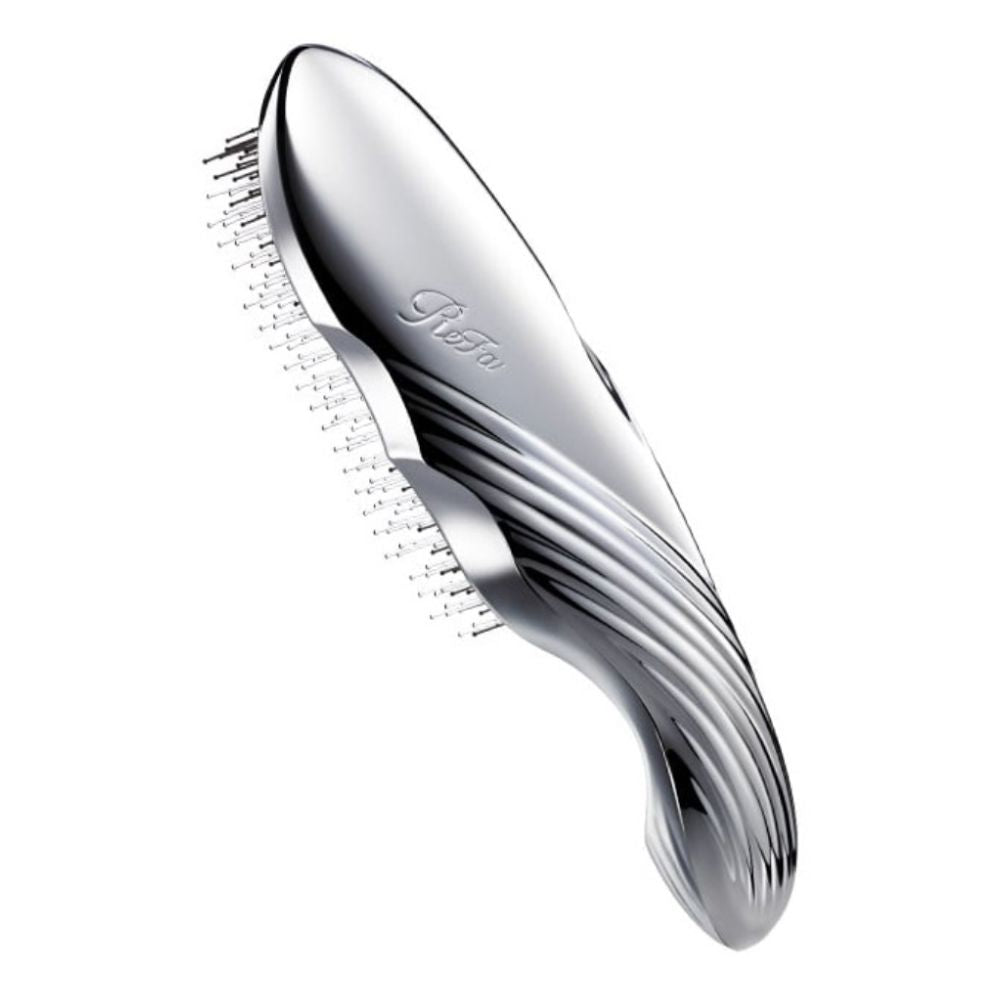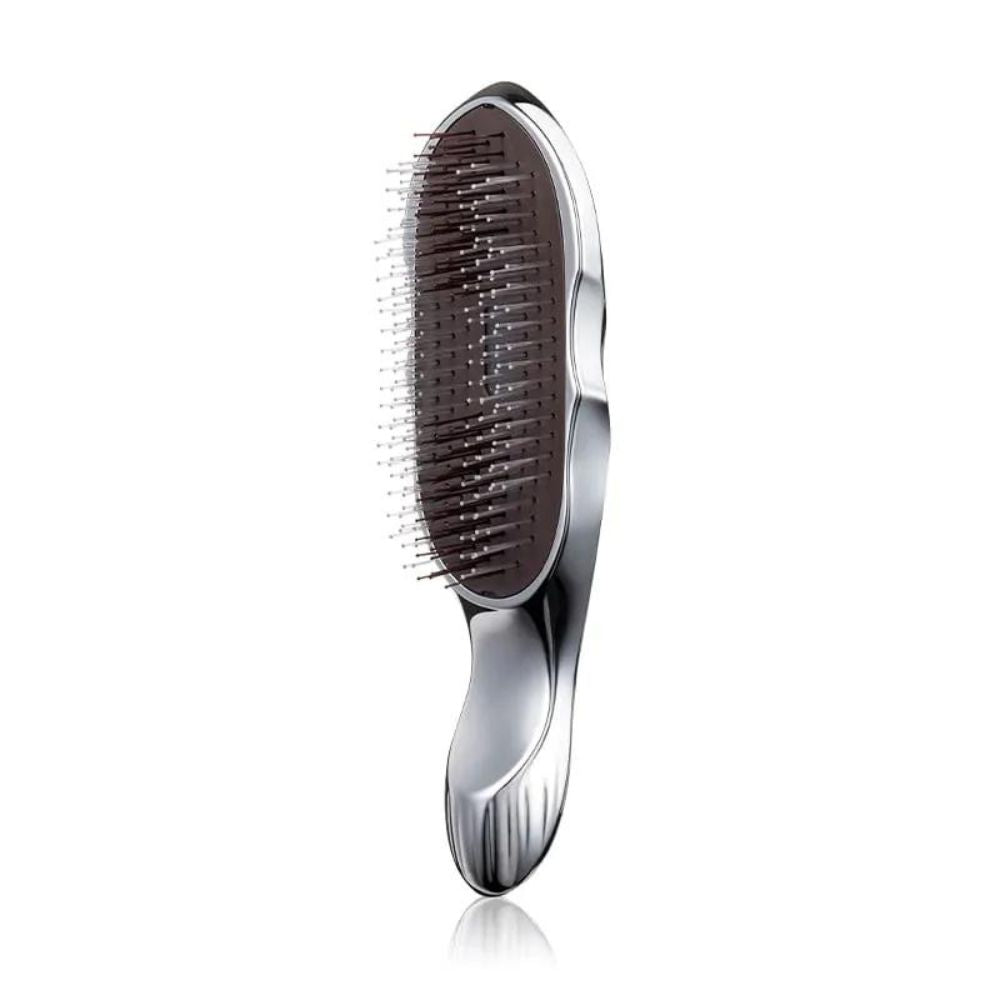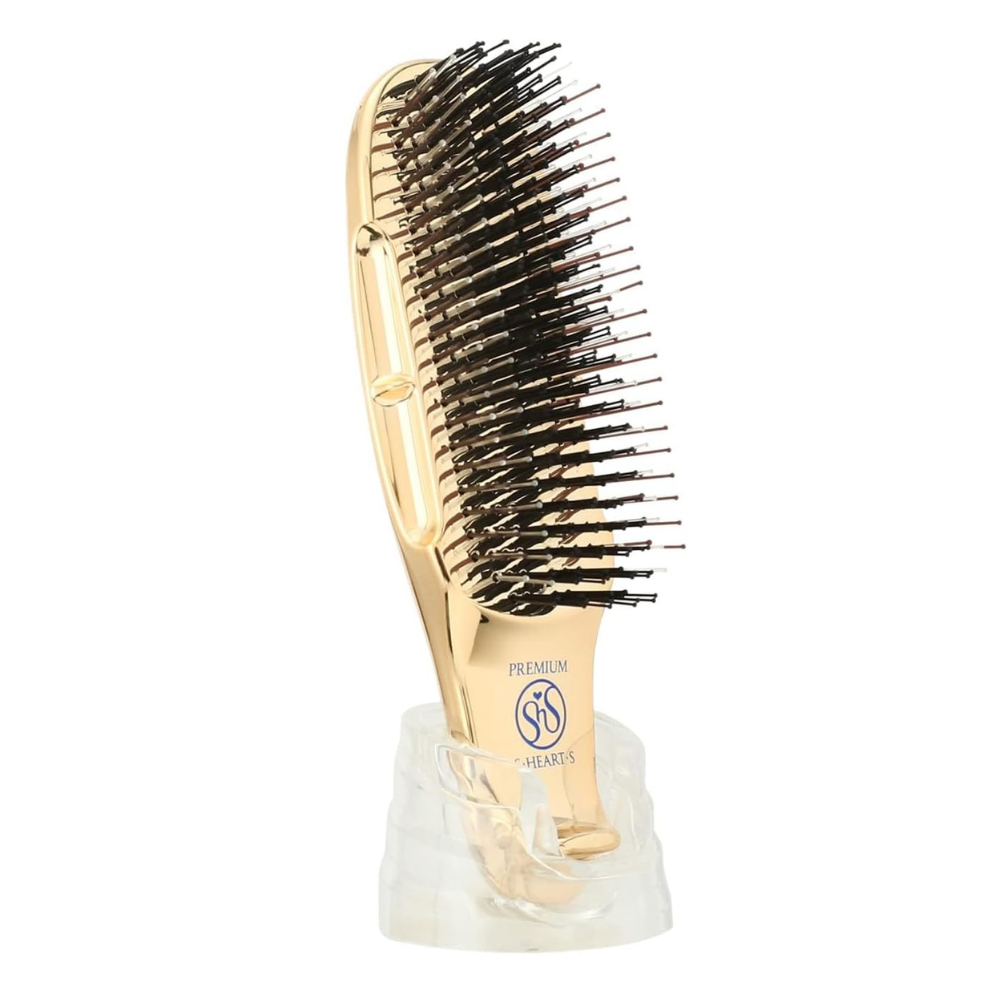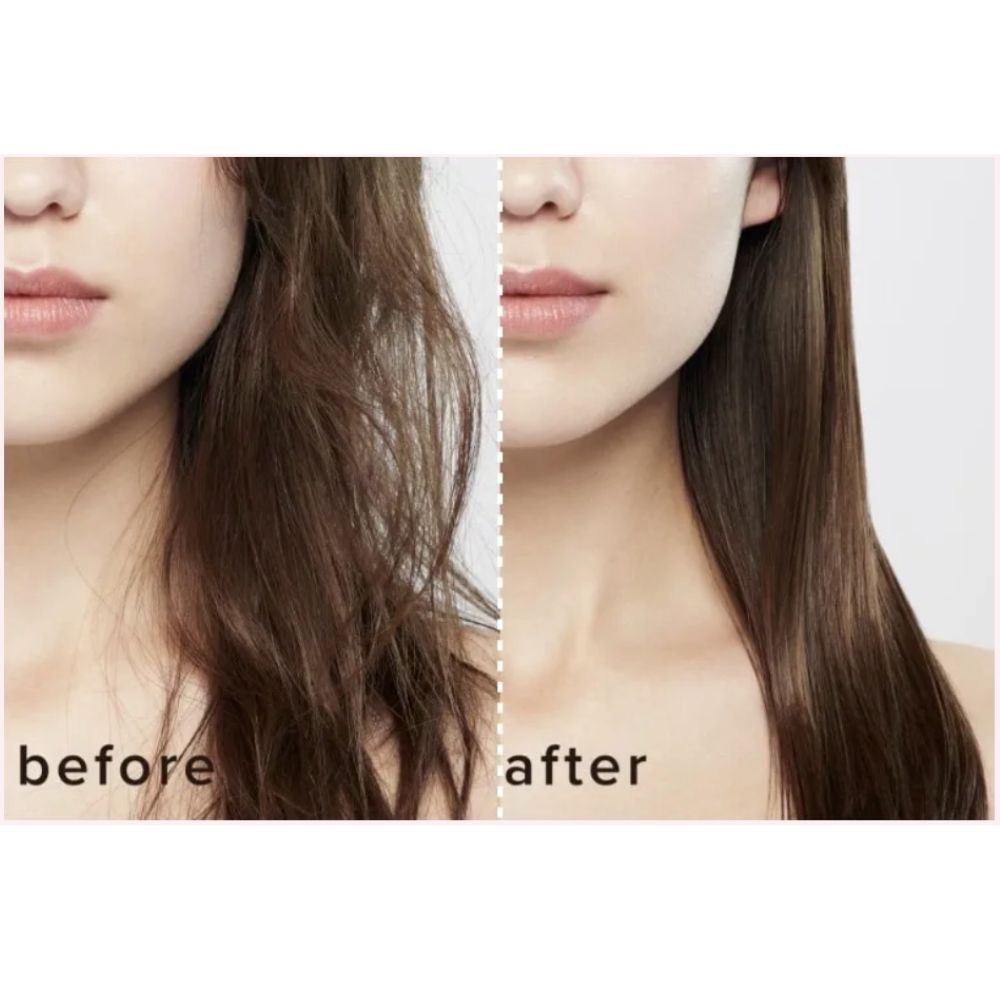
Japanese hair brushes and combs reflect centuries of craftsmanship tradition — from handmade boxwood combs used by geisha to modern ionic styling brushes designed by Japanese hair tool engineers. In Japan, the right brush is considered essential to hair health, not just styling. Quality Japanese brushes detangle without breakage, distribute natural oils, smooth the cuticle, and add lasting shine.
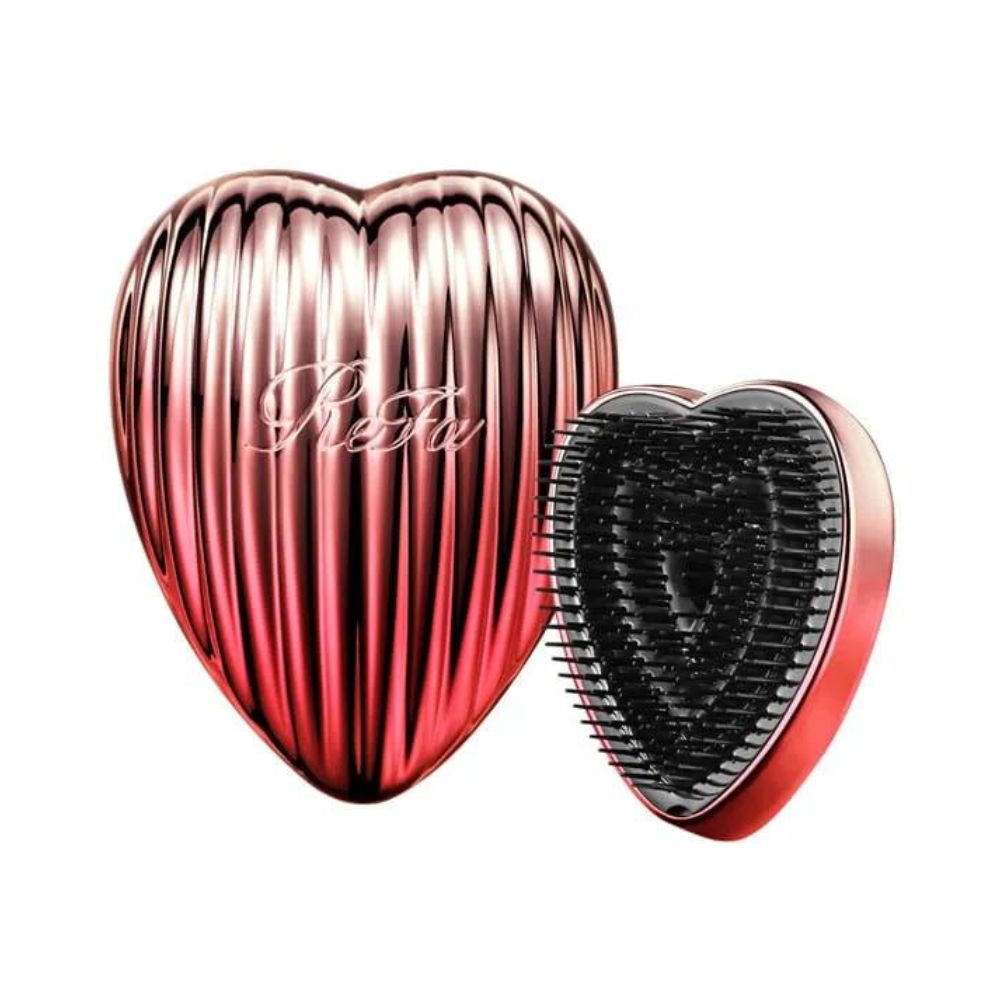
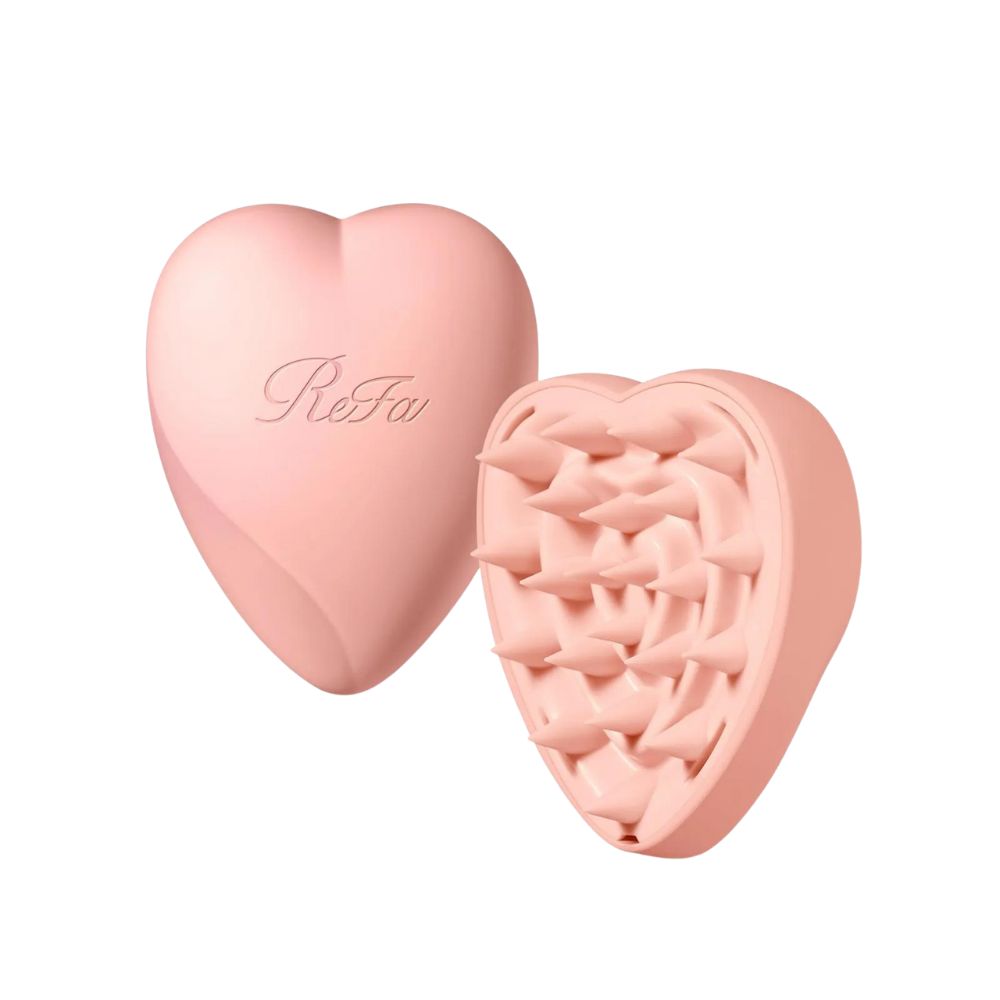
At Tsujimoto Market, our collection features Japan's finest hair tools: Tangle Teezer Japan editions, Aveda Japan paddle brushes, traditional tsuge (boxwood) combs, S-Heart-S brushes, and specialty styling brushes from Japanese manufacturers. We carry detangling brushes, round brushes for blow-drying, wide-tooth combs for wet hair, and cushion brushes for daily grooming.
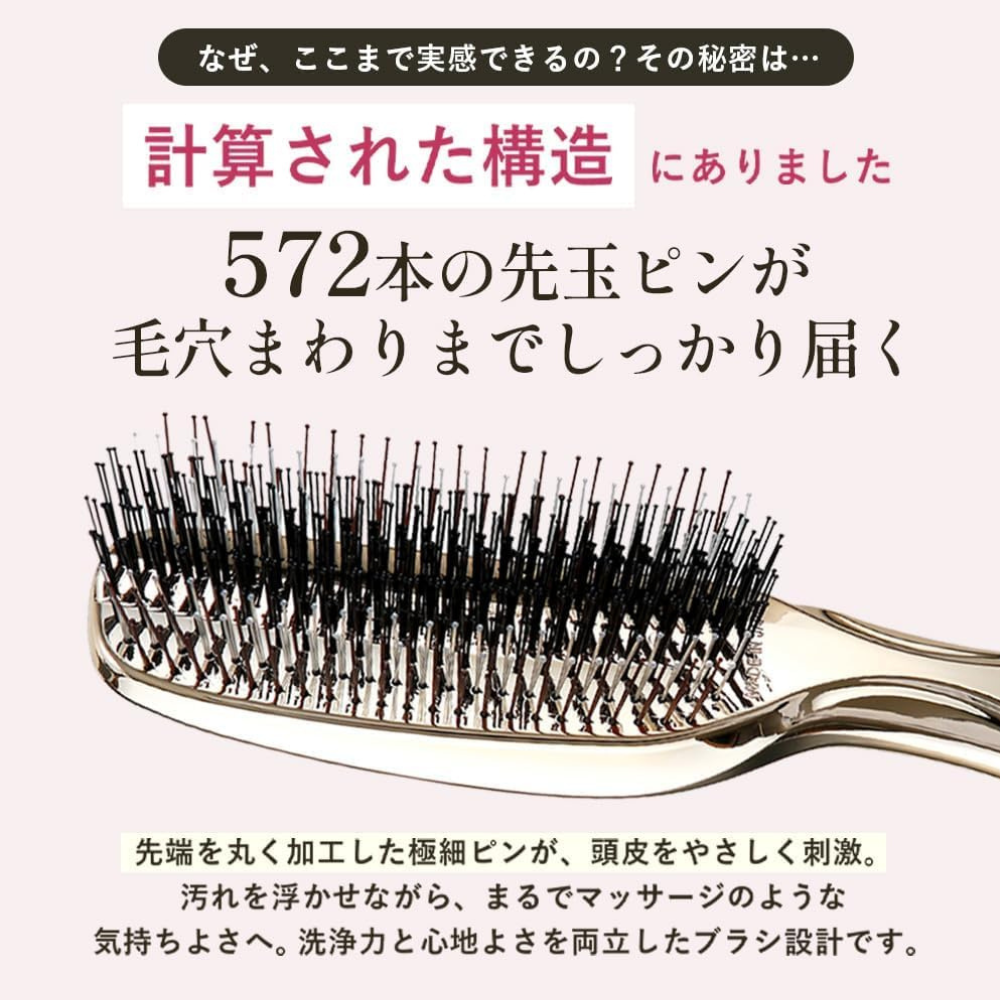
Japanese hair brushes are distinguished by their attention to bristle quality, cushion design, and ergonomic handles. Many feature a combination of natural boar bristles and nylon pins for optimal detangling and shine. Traditional Japanese boxwood combs are hand-carved from a single piece of wood and treated with camellia oil — they produce zero static electricity and glide through hair effortlessly.
All products are authentic and shipped directly from Japan.
Frequently Asked Questions
What is a tsuge (boxwood) comb and why is it special?
Tsuge combs are traditional Japanese combs hand-carved from boxwood and treated with camellia oil. They have been used in Japan for centuries. Unlike plastic combs, tsuge combs produce zero static, distribute natural oils through the hair, and become smoother with use over time. They are gentle on the scalp and last a lifetime with proper care.
What type of brush is best for my hair?
For fine or thin hair, use a soft cushion brush with flexible bristles. For thick or curly hair, a wide-tooth comb or paddle brush works best. For blow-drying, a round brush with boar bristles creates smooth, voluminous results. For wet hair, always use a wide-tooth comb or a dedicated detangling brush to prevent breakage.
How do I clean my Japanese hair brush?
Remove loose hair from the brush after each use. Weekly, wash the brush with mild shampoo and warm water, gently cleaning between the bristles. Rinse thoroughly and place bristle-side down on a towel to air dry. For tsuge combs, wipe with a soft cloth and occasionally apply a drop of camellia oil to maintain the wood.
How often should I replace my hair brush?
Quality Japanese brushes last 1-3 years with proper care. Replace when bristles become bent, missing, or lose their flexibility. Signs of wear include increased static, difficulty detangling, and bristle tips that feel sharp. Traditional tsuge combs, with proper care, can last decades — they are considered heirloom items in Japan.