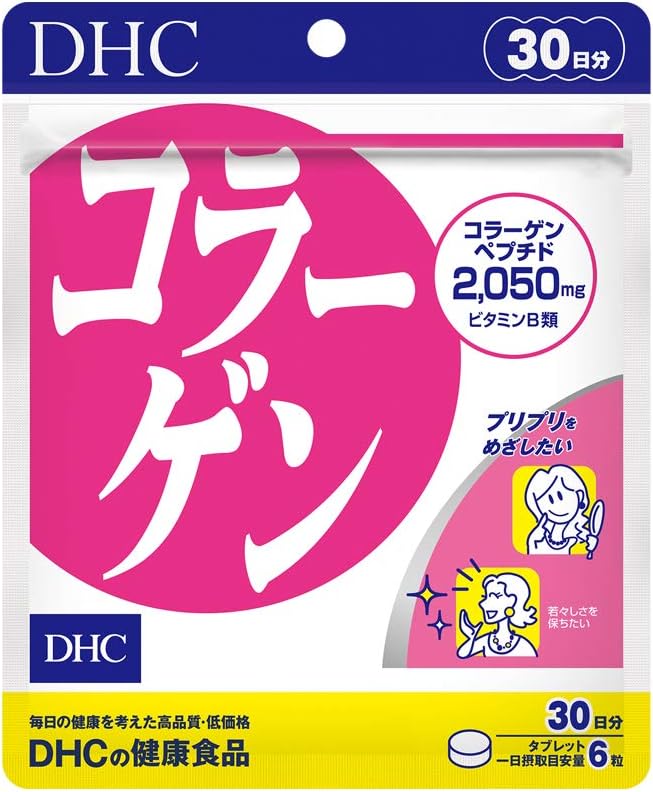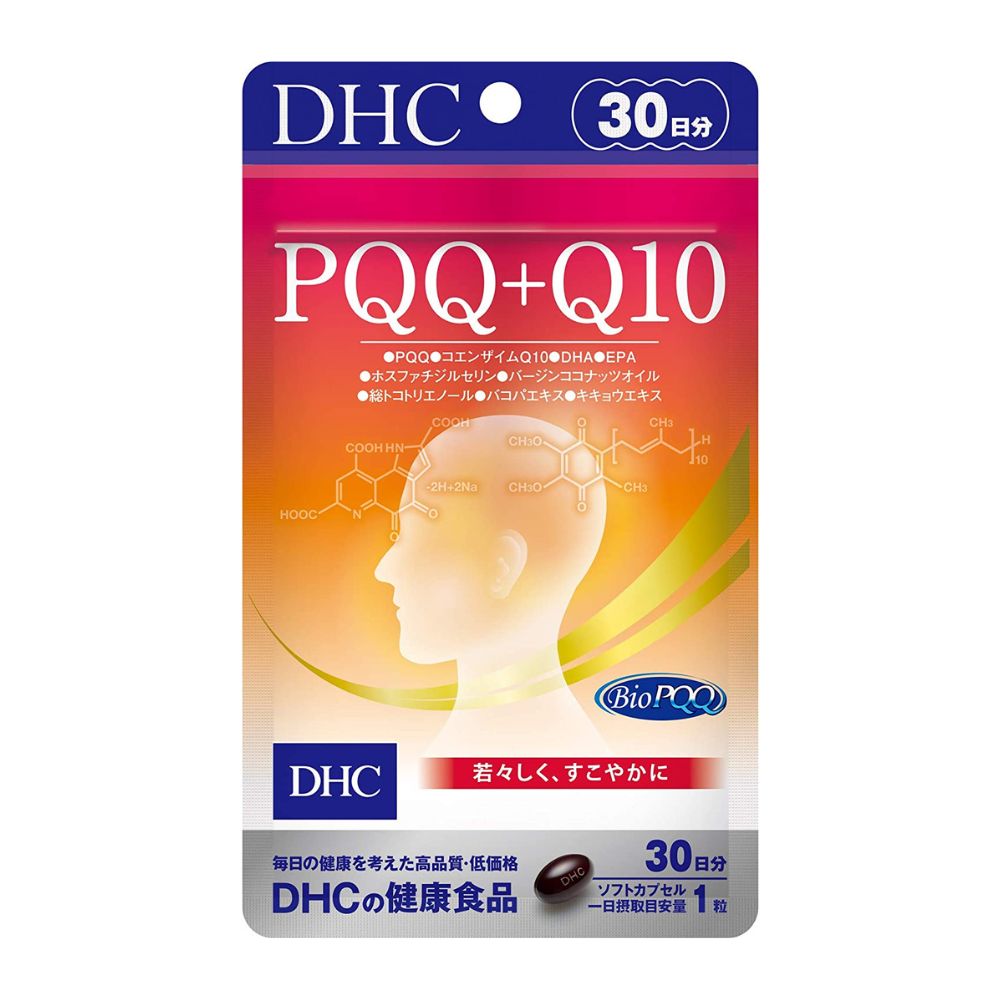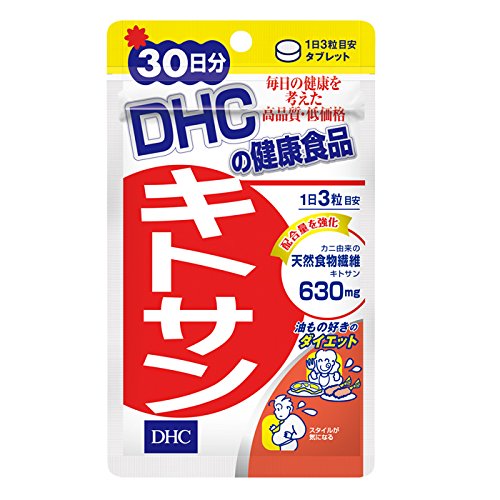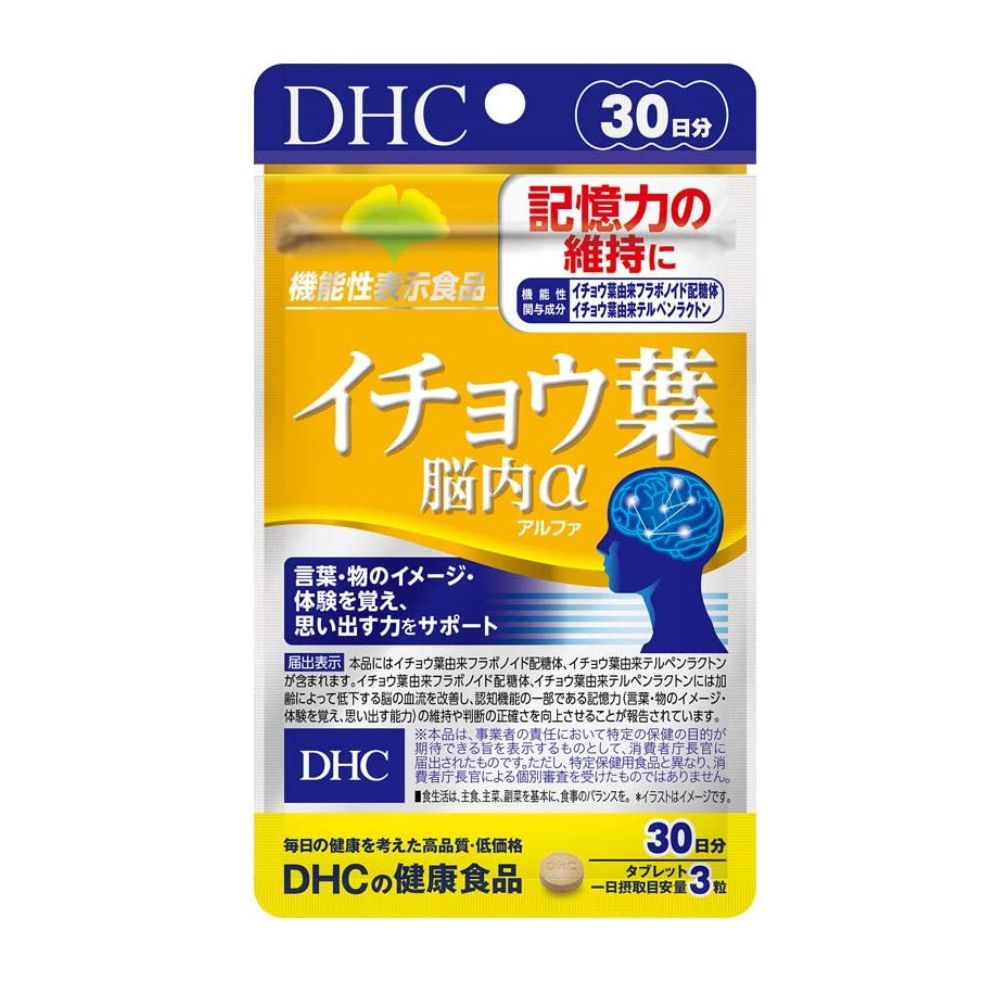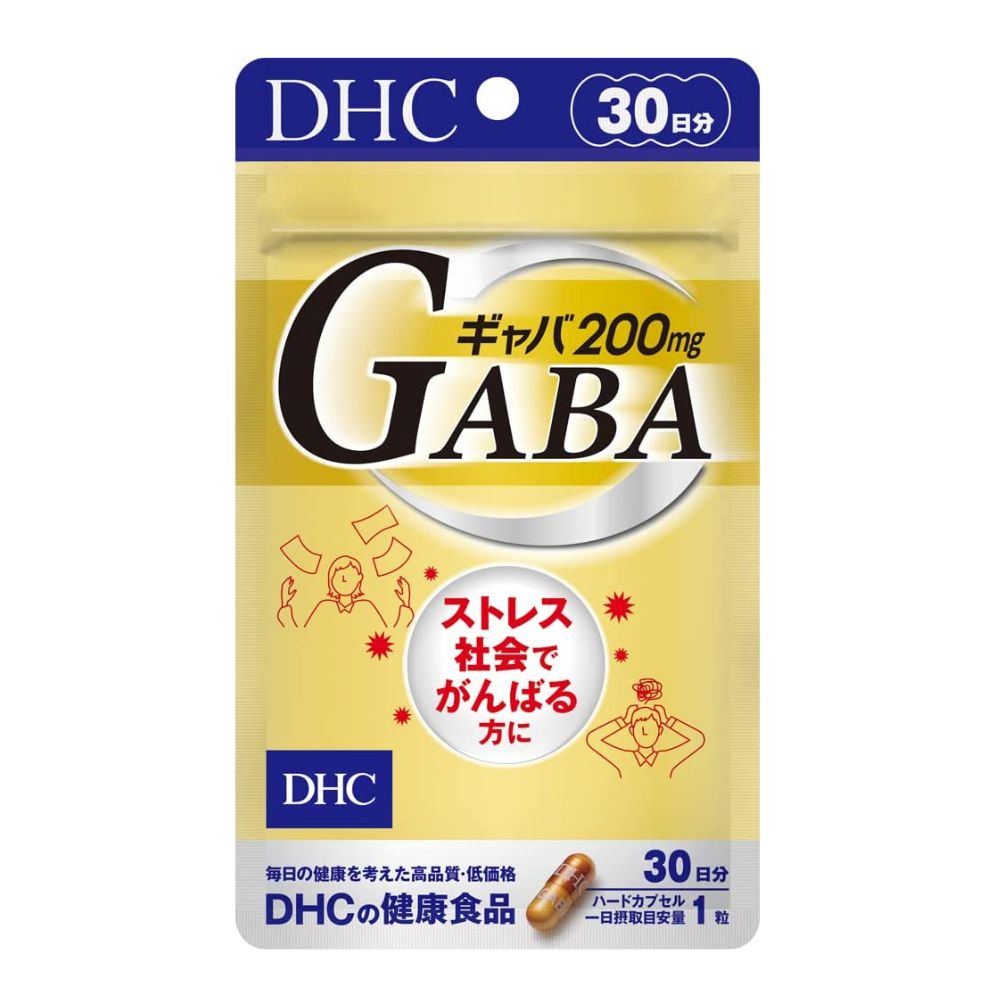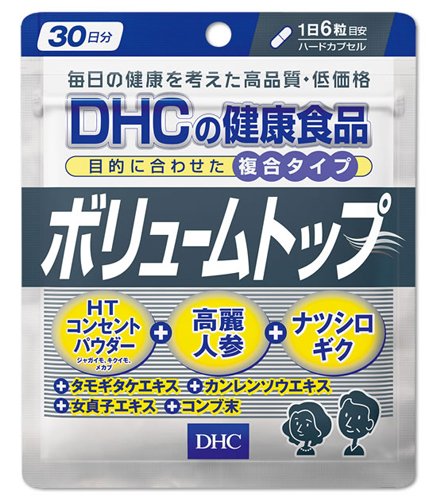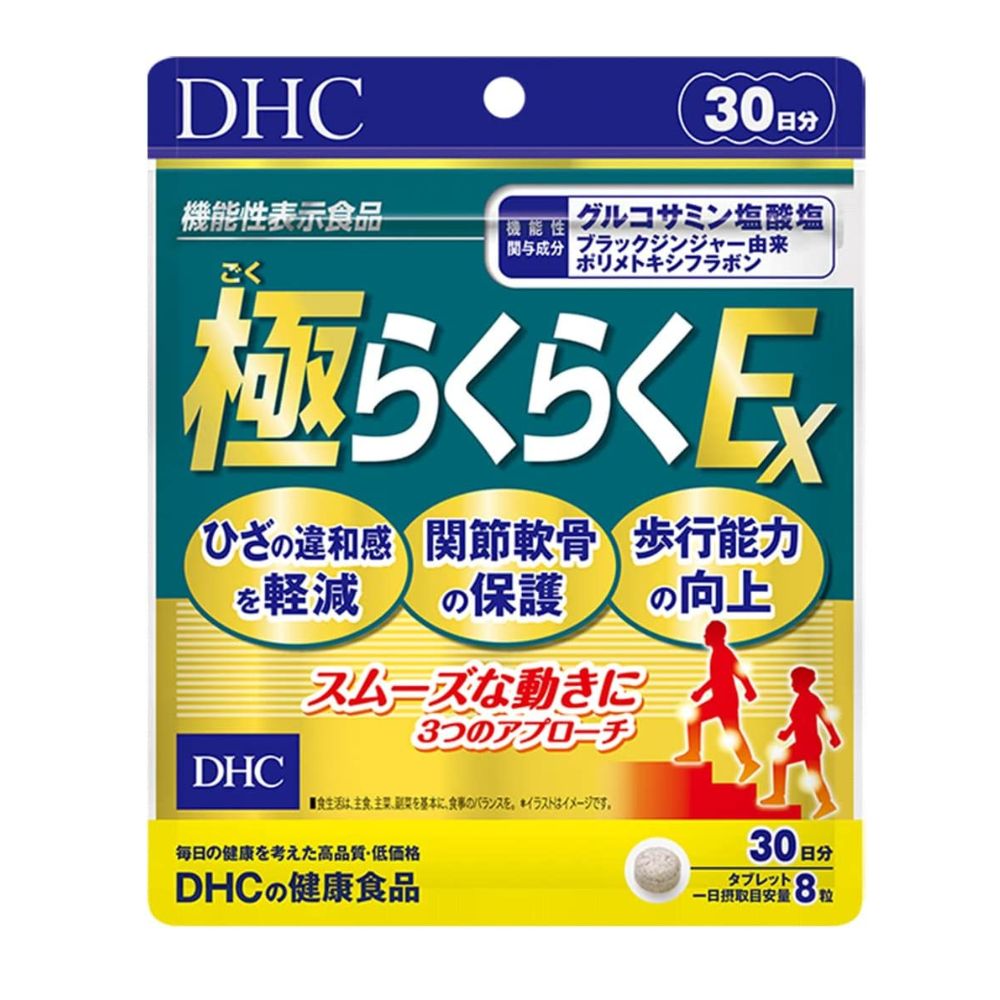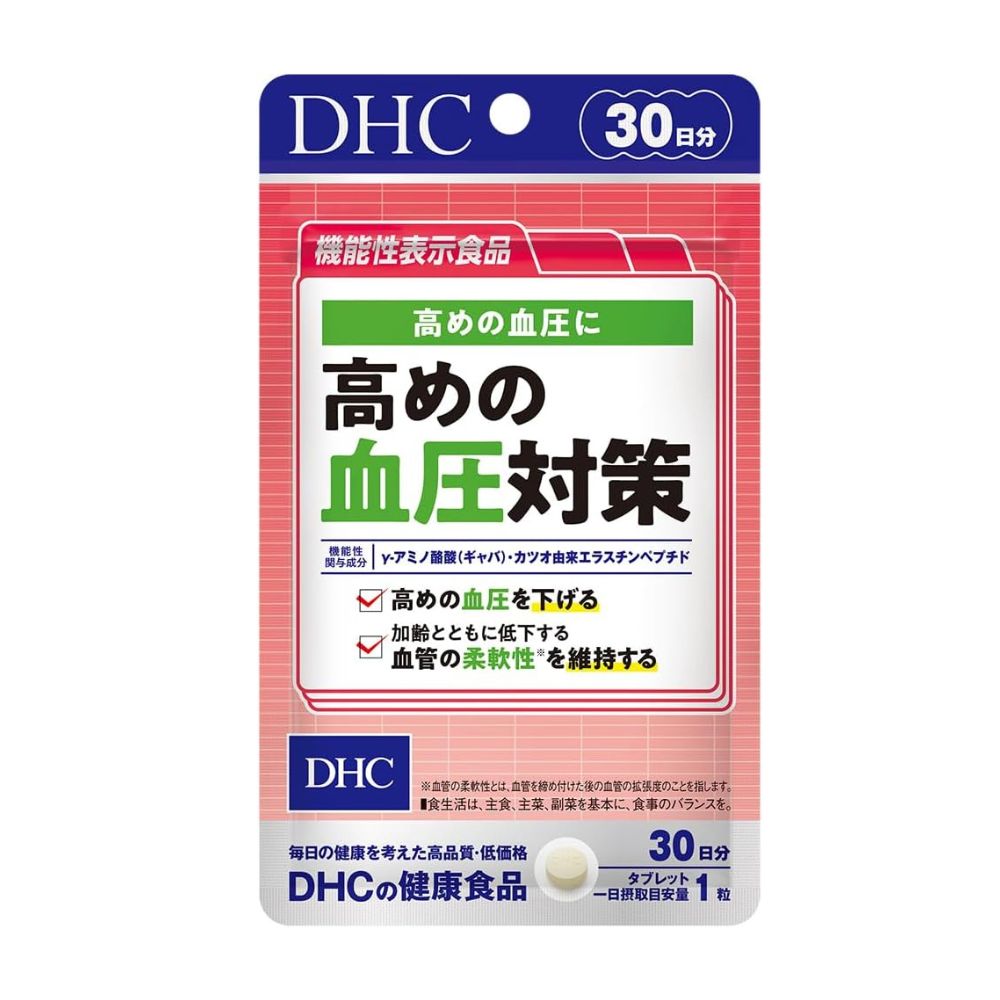
Japanese vitamin supplements are trusted worldwide for their pharmaceutical-grade quality, precise dosing, and superior absorption formulas. Japan's supplement industry operates under some of the strictest quality control standards in the world, ensuring that every tablet and capsule contains exactly what is listed on the label — no more, no less.
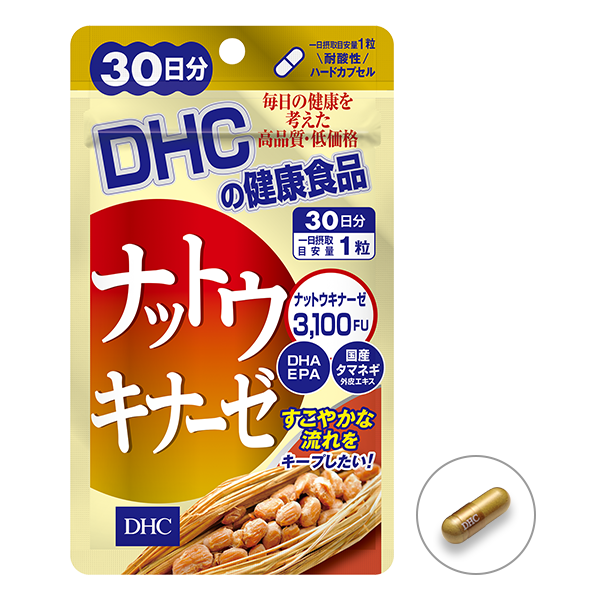
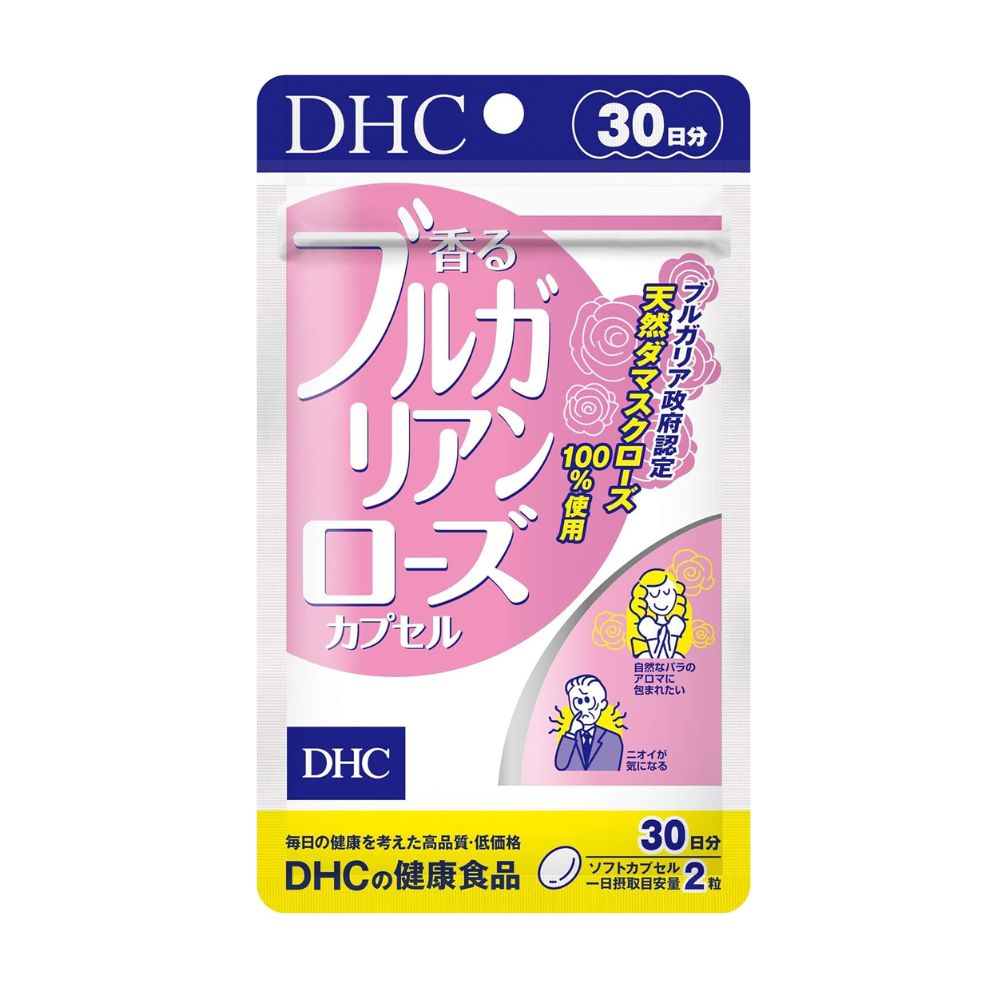
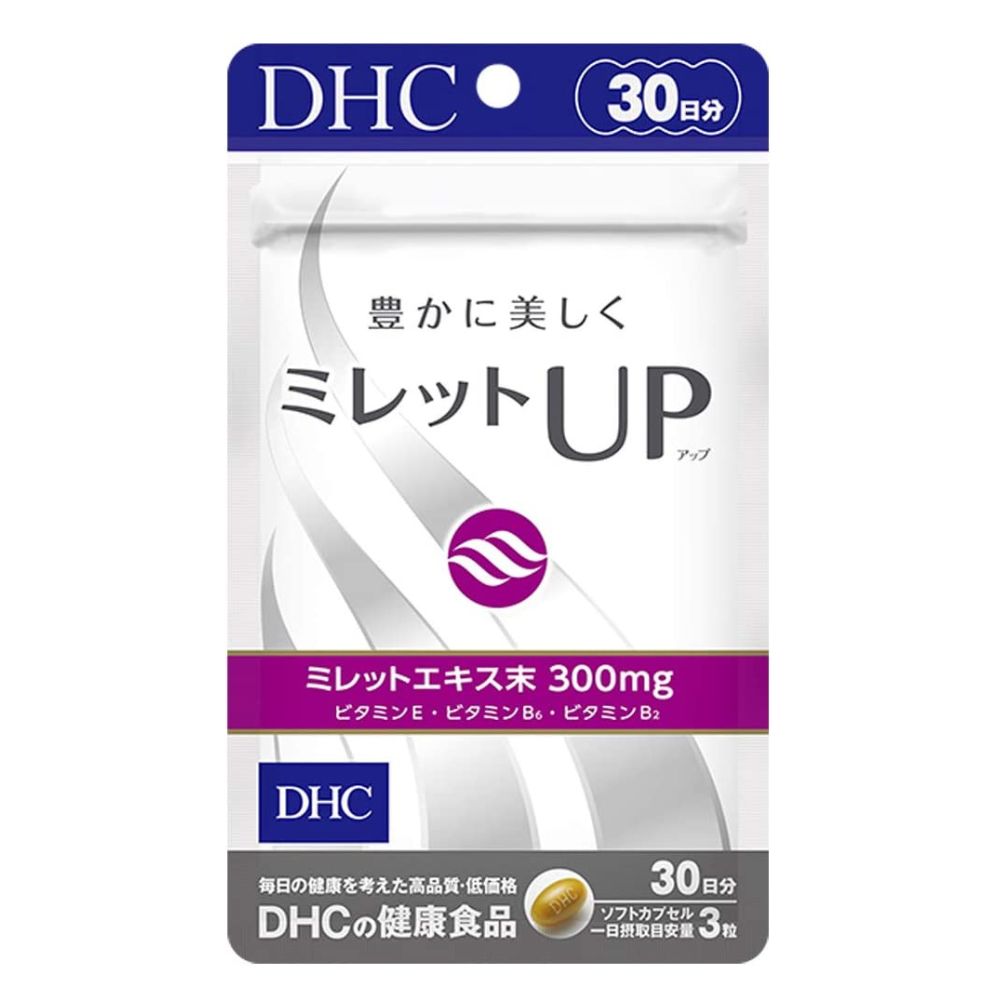
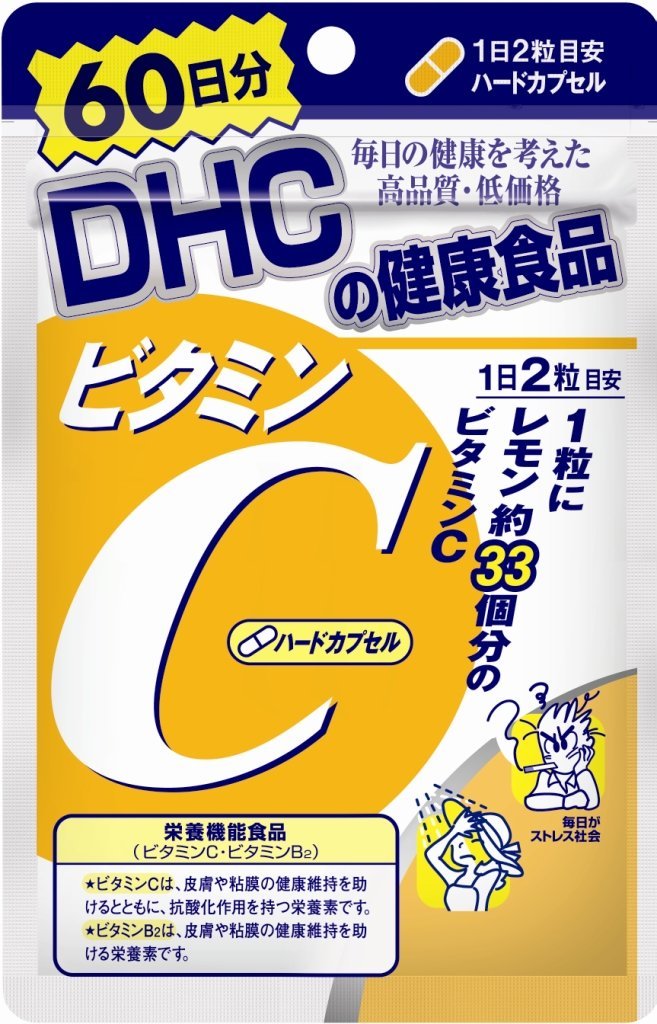
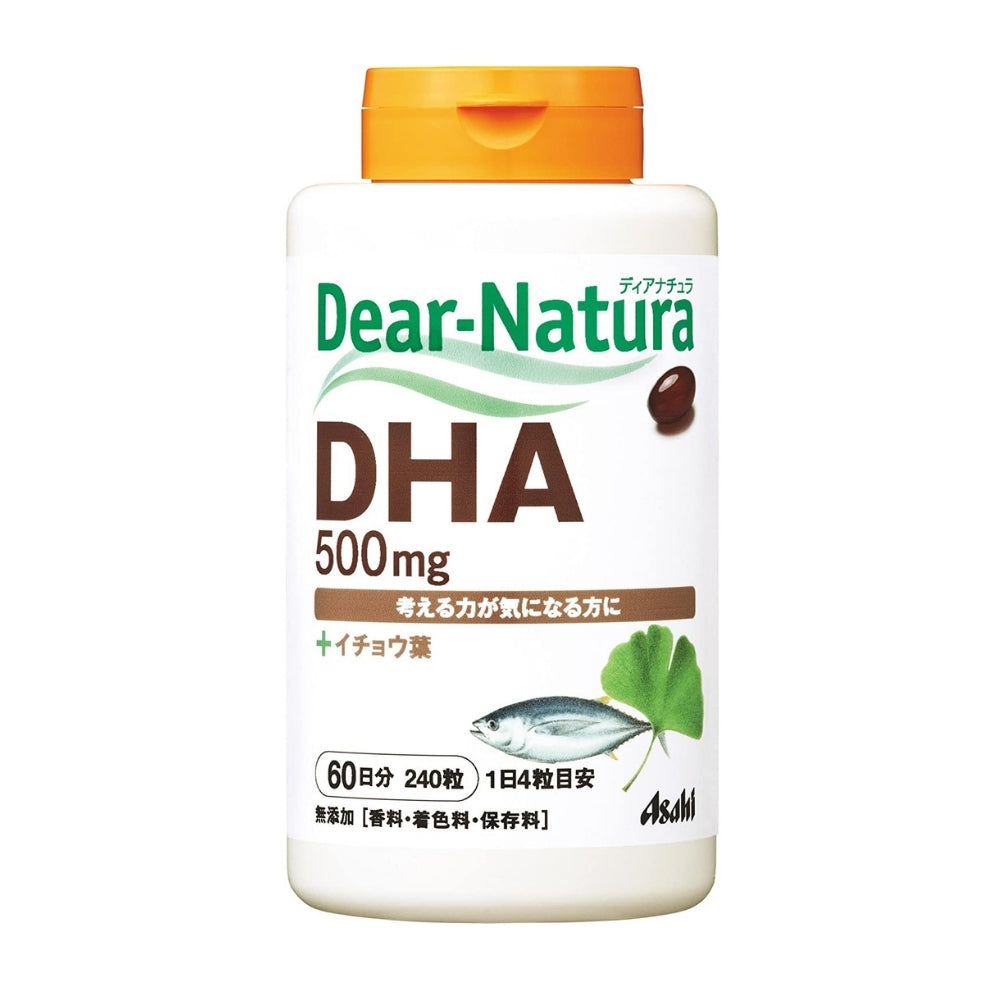
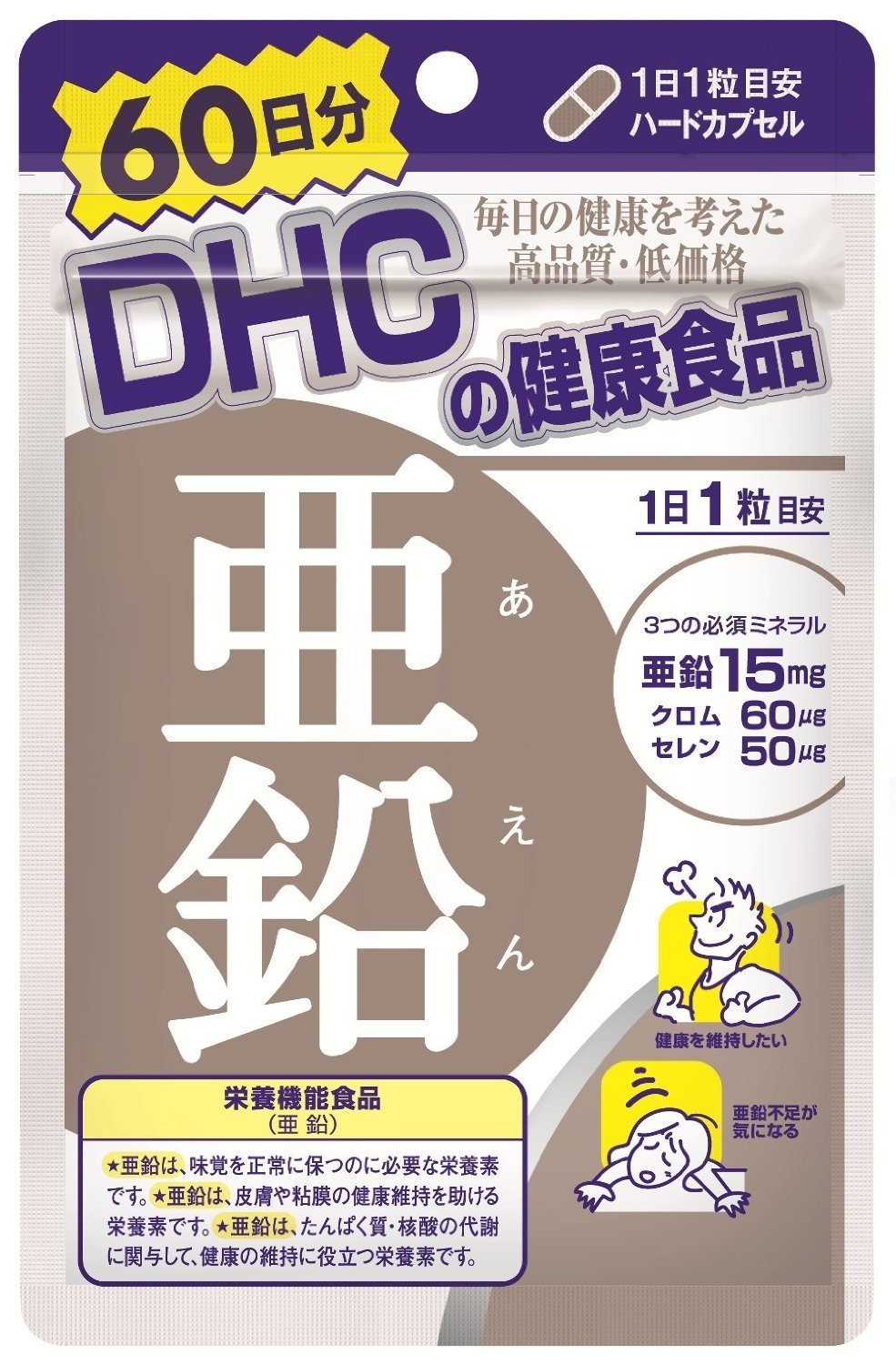
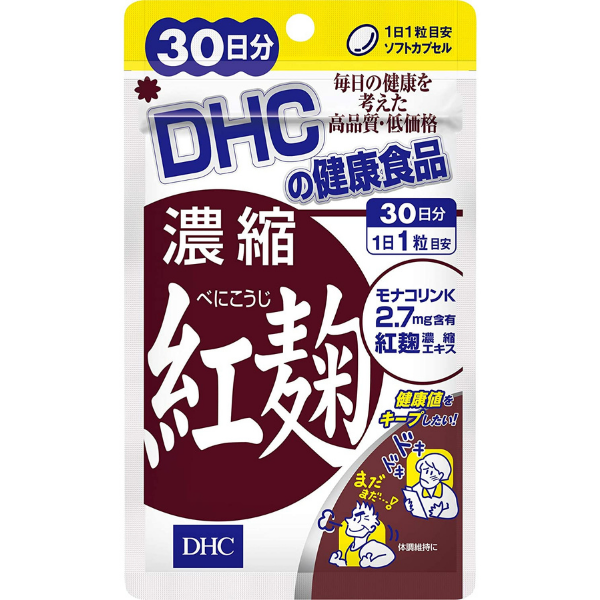
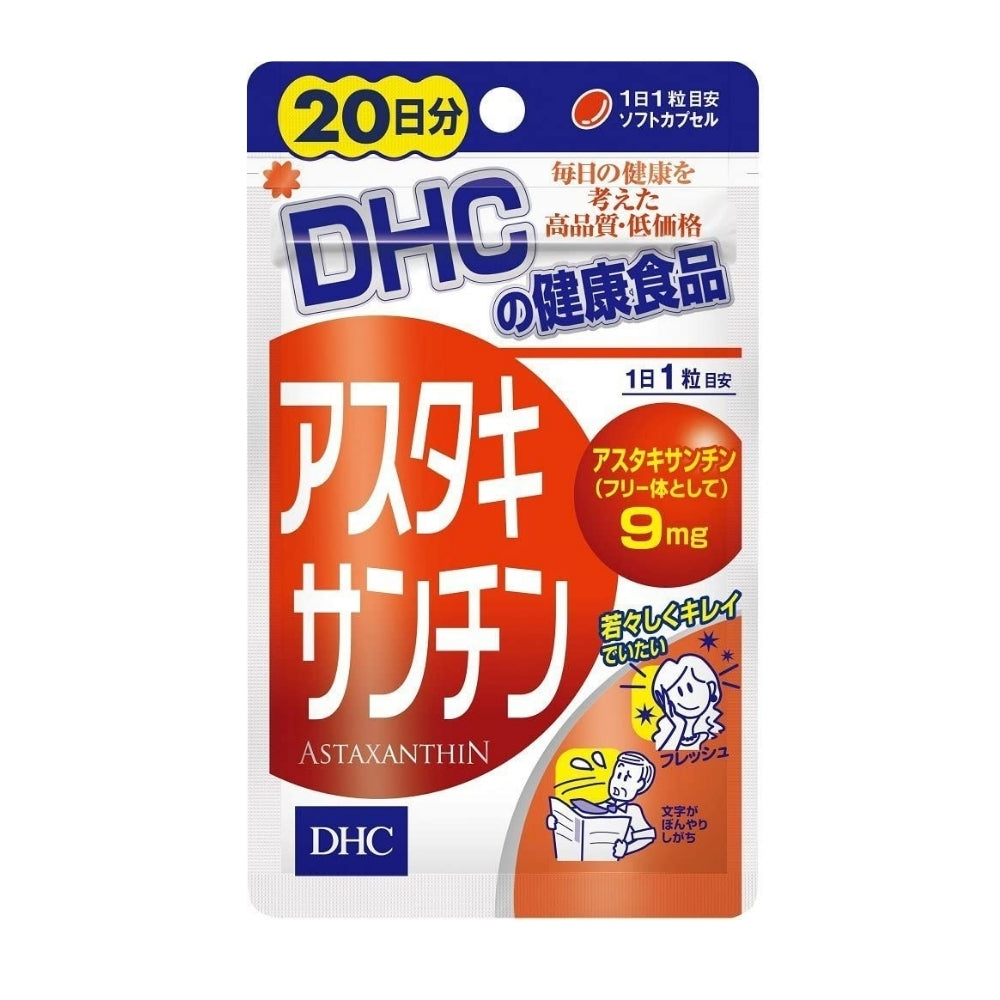
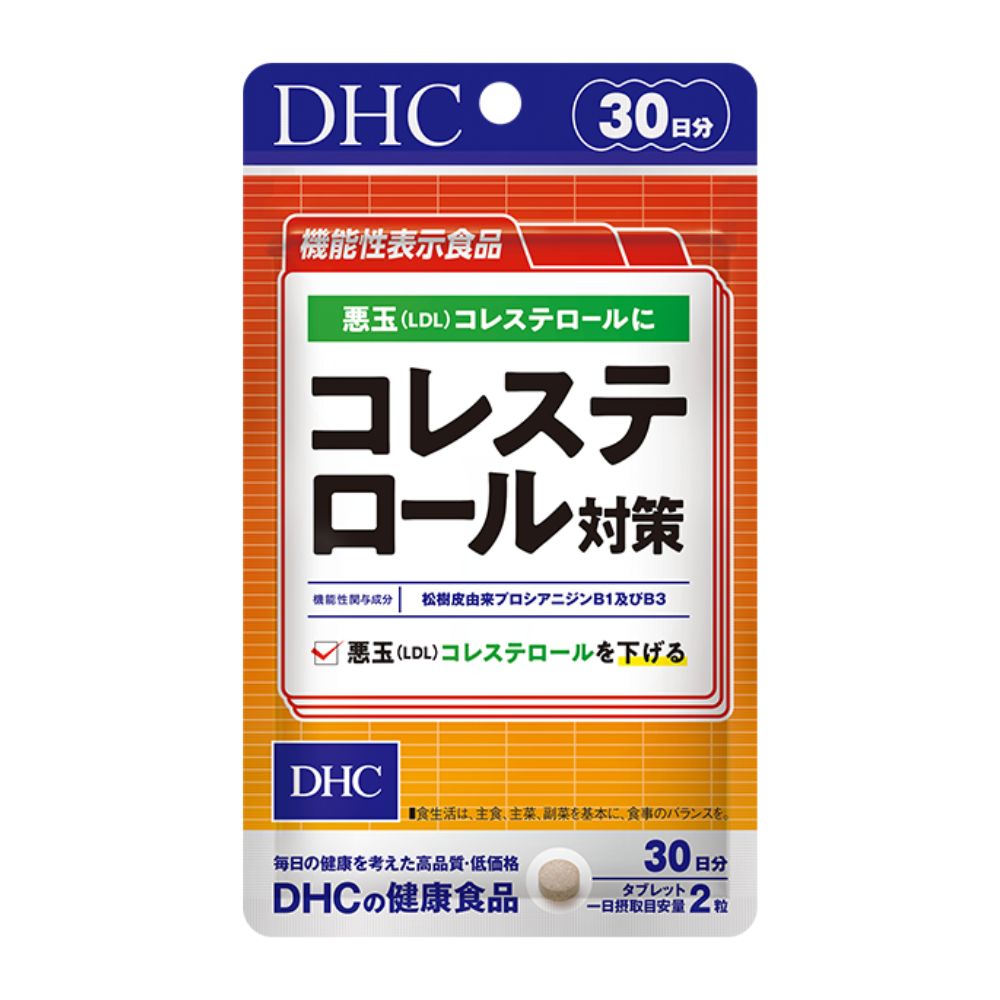
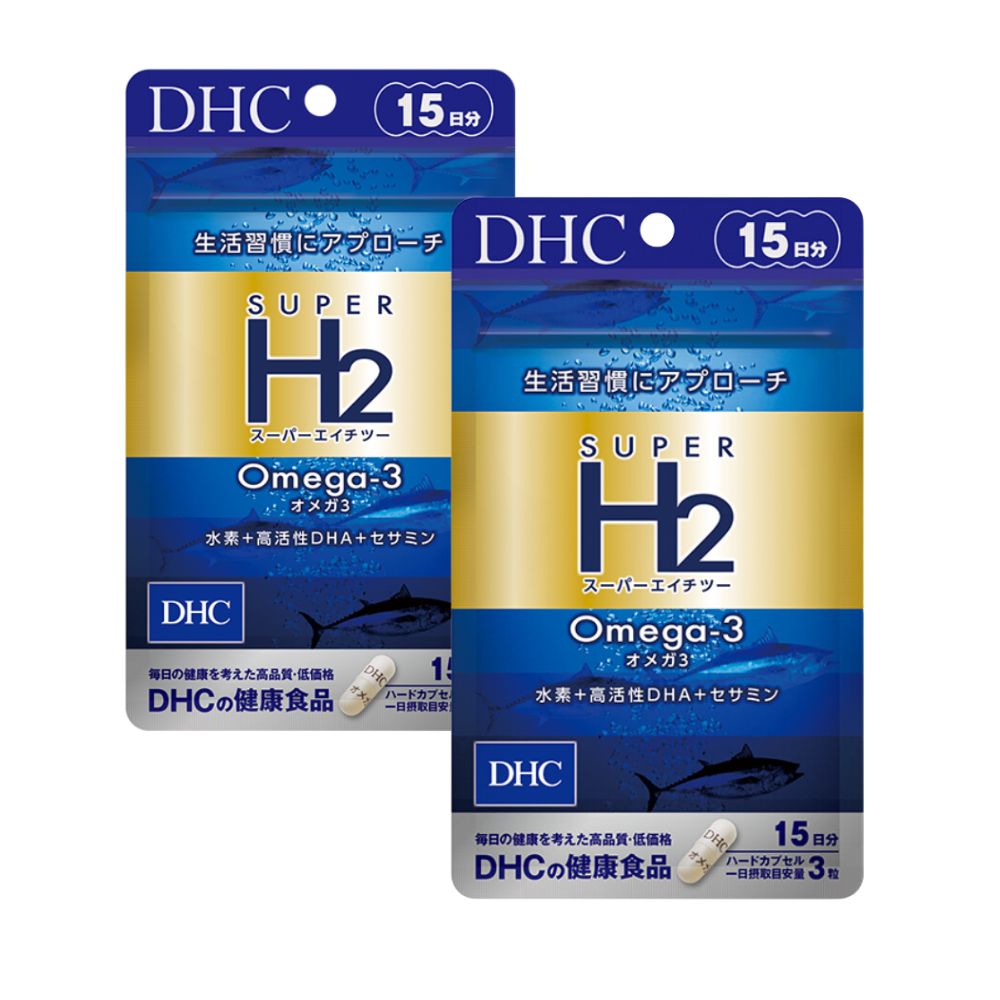
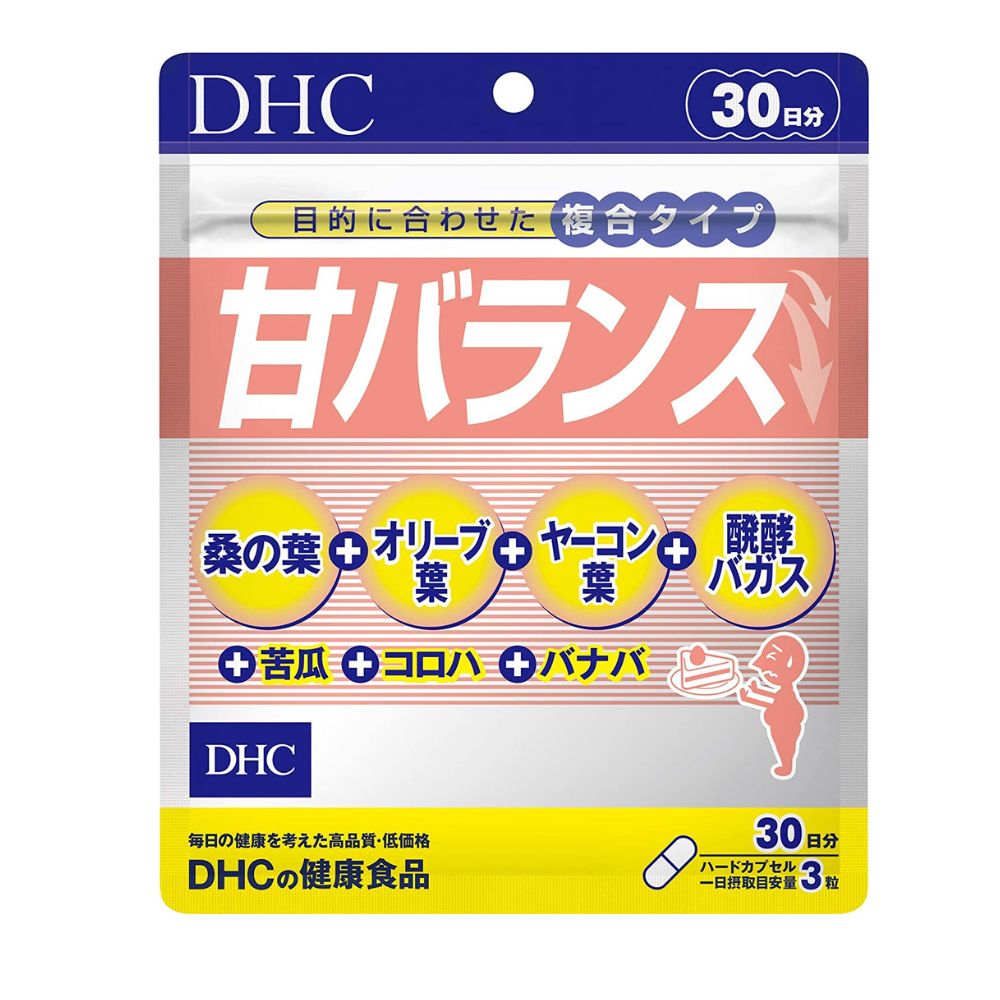
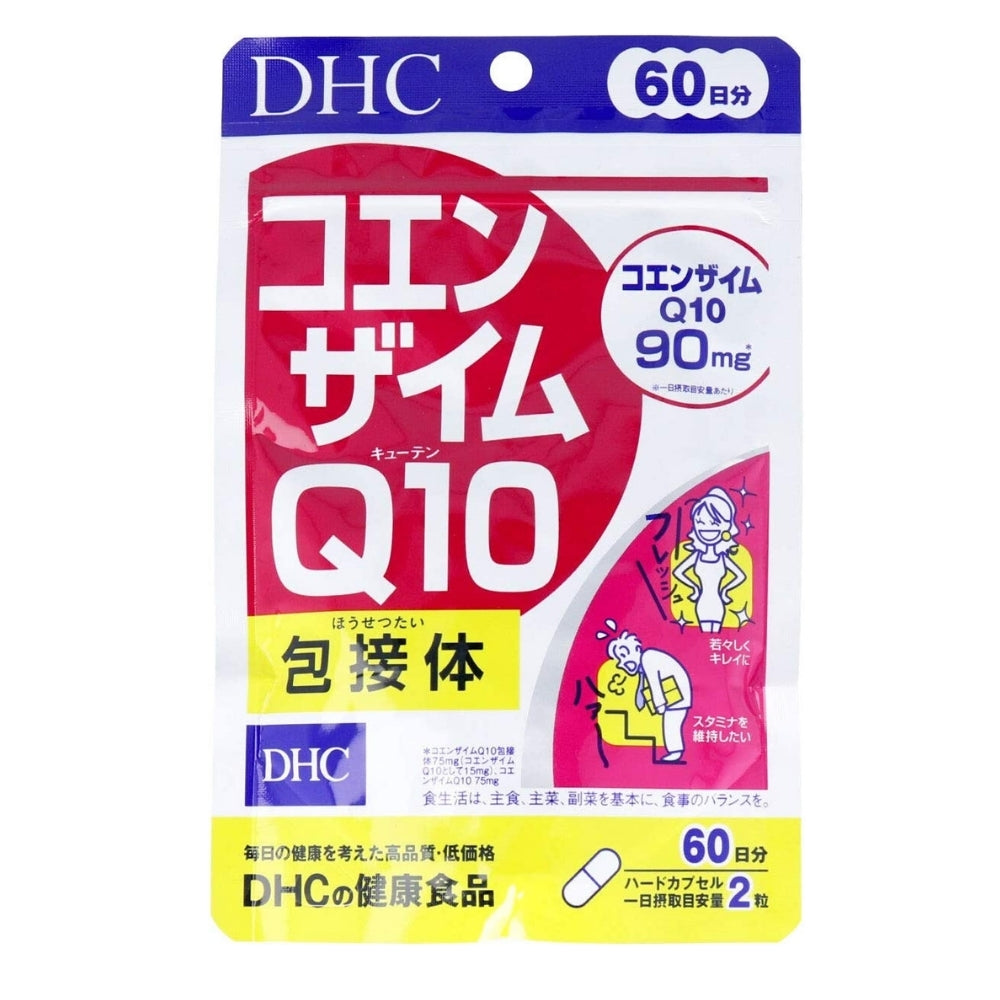
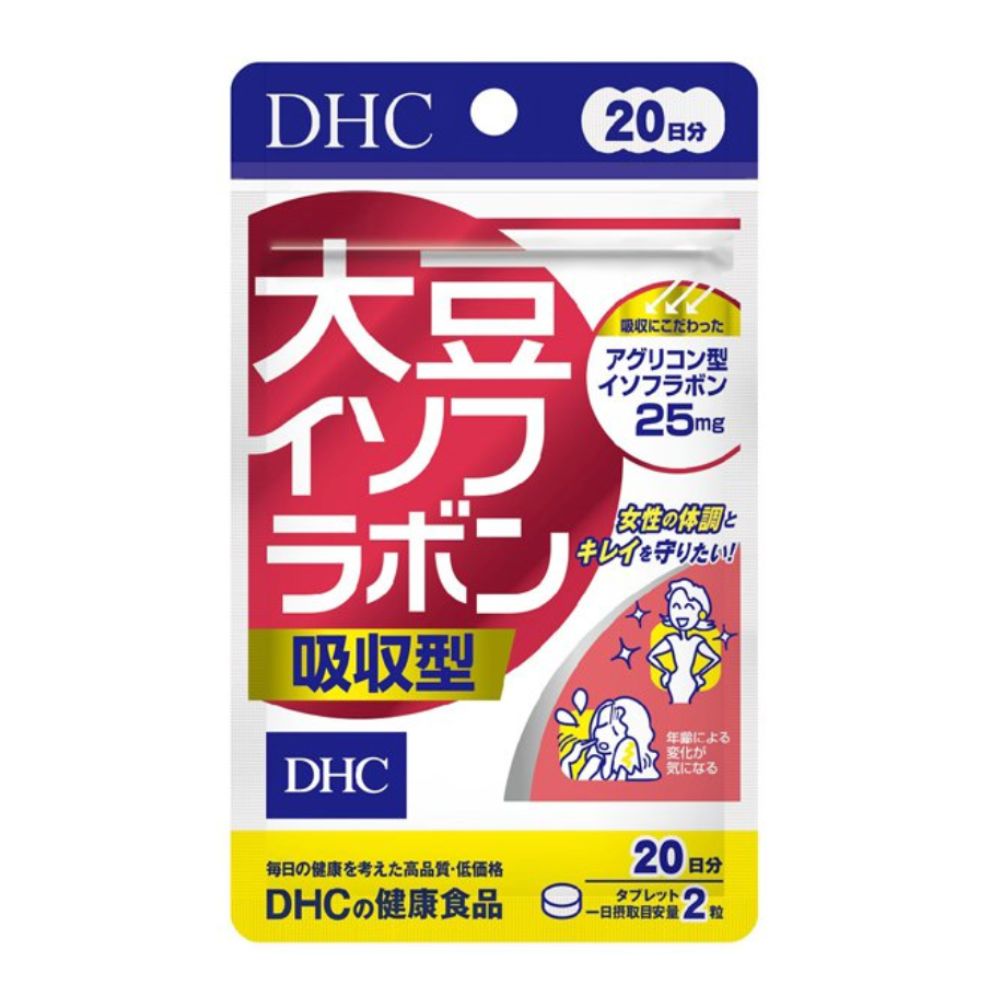
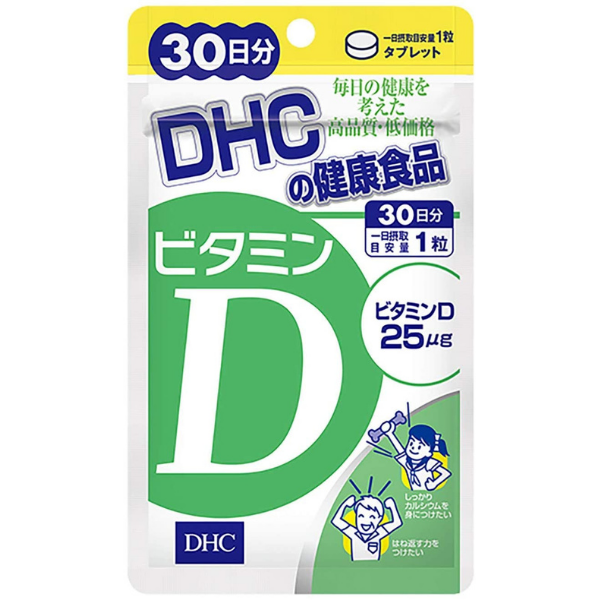
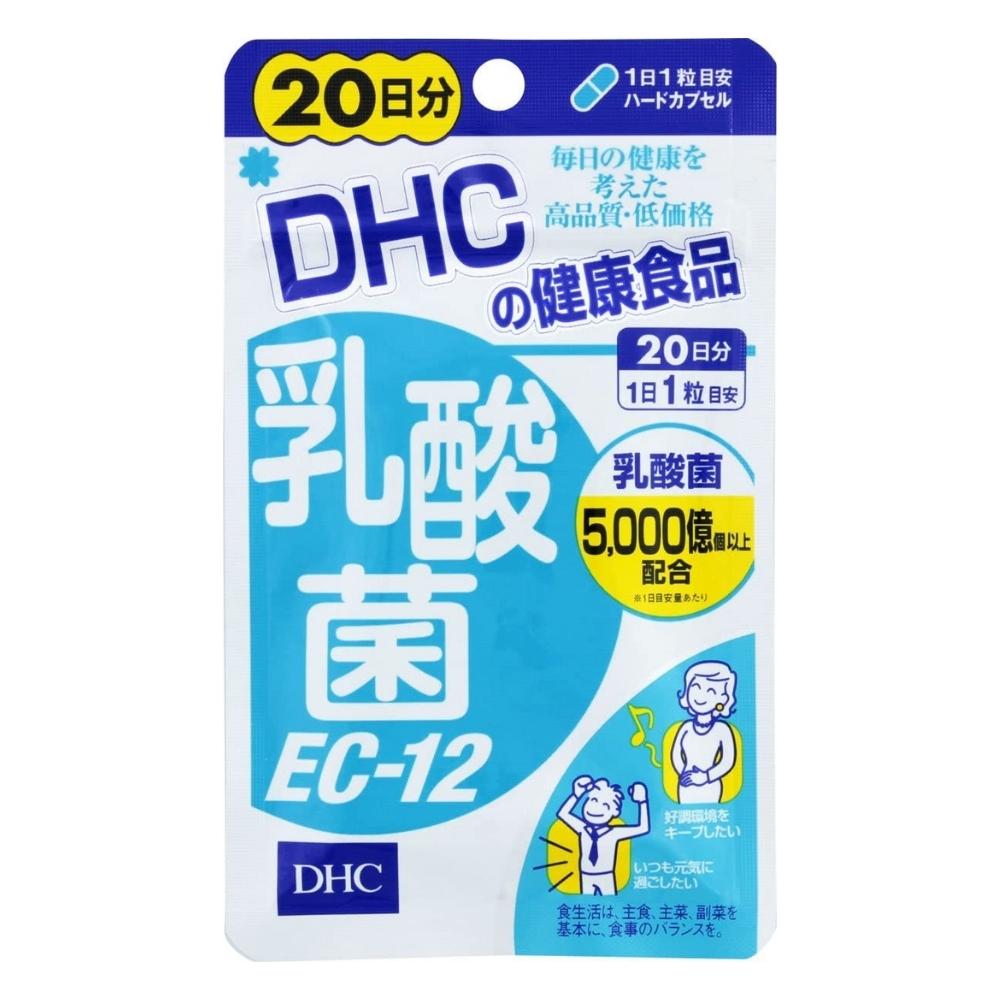
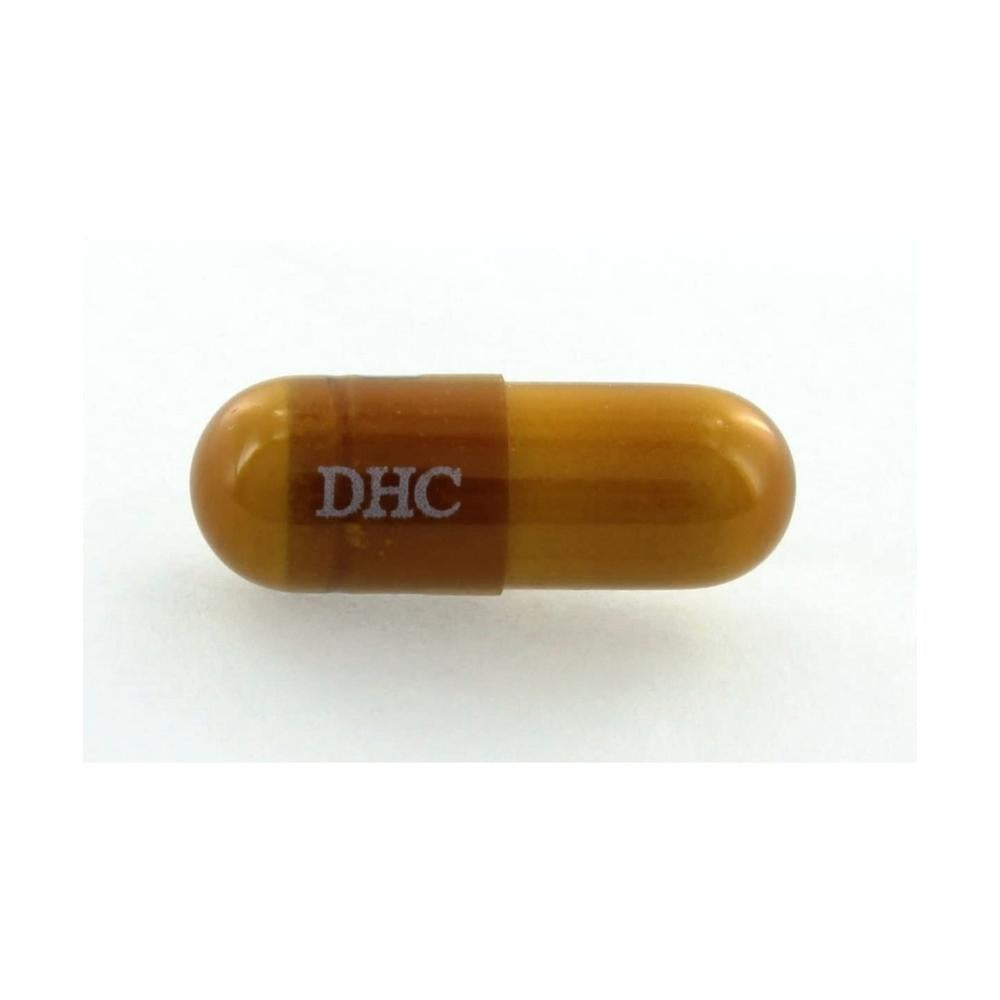
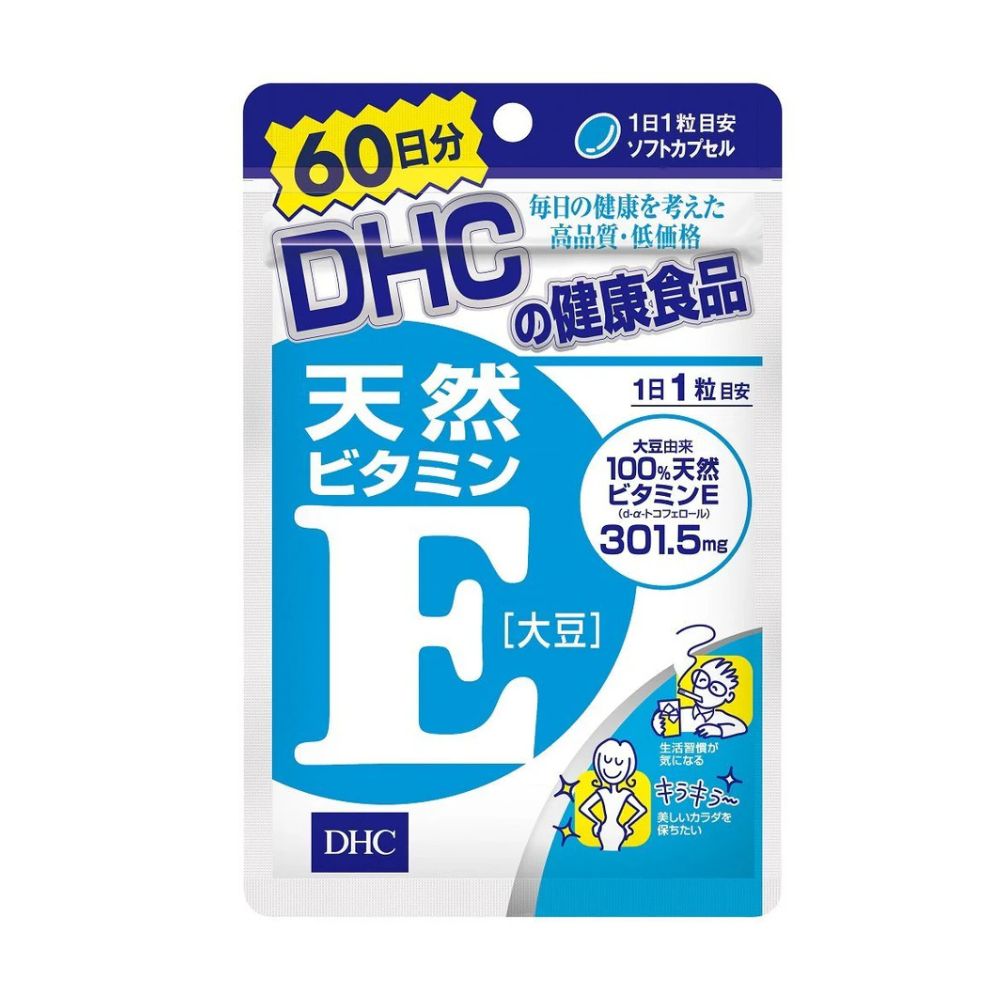
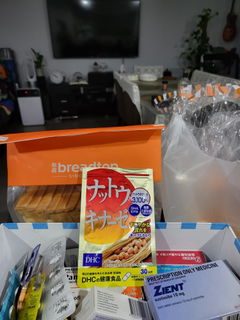
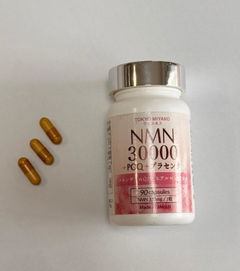
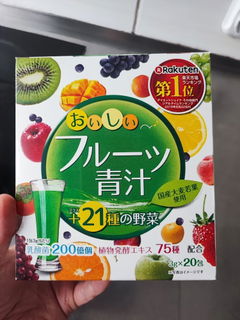
At Tsujimoto Market, our vitamin collection features Japan's most reliable brands: DHC vitamins (Japan's #1 supplement brand), FANCL pharmaceutical-grade vitamins, Asahi Dear-Natura, Otsuka Nature Made Japan, and Takeda pharmaceutical vitamins. We carry individual vitamins (C, D, E, B complex, etc.) in formats designed for optimal absorption and convenience.
Japanese vitamins stand out for their thoughtful formulation. Many products combine complementary nutrients that enhance each other's absorption — for example, vitamin C with iron, or vitamin D with calcium. Japanese brands also offer time-release formulas, liquid-fill capsules, and chewable tablets for people who have difficulty swallowing pills. Dosages are carefully calibrated based on Japanese clinical research.
All supplements are authentic and shipped directly from Japan.
Frequently Asked Questions
Why choose Japanese vitamins over Western brands?
Japanese vitamins are manufactured under GMP (Good Manufacturing Practice) standards with rigorous quality testing. Japanese brands focus on optimal dosing based on clinical research rather than megadosing. The tablets are typically smaller and easier to swallow. DHC and FANCL, in particular, are known for exceptional value — high quality at affordable prices.
What is the most popular Japanese vitamin brand?
DHC is Japan's best-selling supplement brand, known for affordable, high-quality individual vitamins in convenient 30, 60, and 90-day packages. FANCL is premium, offering pharmaceutical-grade supplements with no artificial additives. Asahi Dear-Natura offers good mid-range options. Each brand has loyal customers in Japan.
Are Japanese vitamin dosages different from Western ones?
Yes. Japanese vitamins often contain lower dosages than Western counterparts because they are based on Japanese dietary reference intakes, which are calibrated for the Japanese diet and body composition. This does not make them less effective — in many cases, the Japanese dosages are closer to what research supports as optimal for daily supplementation.
Can I take multiple Japanese vitamins together?
Yes, but follow general supplement guidelines: take fat-soluble vitamins (A, D, E, K) with food containing fat, and water-soluble vitamins (C, B complex) can be taken anytime. Avoid taking iron and calcium together as they compete for absorption. Japanese brands like DHC make it easy by offering clearly labeled individual vitamin packages.