

Tsujimoto Market: Our Guarantees
Description
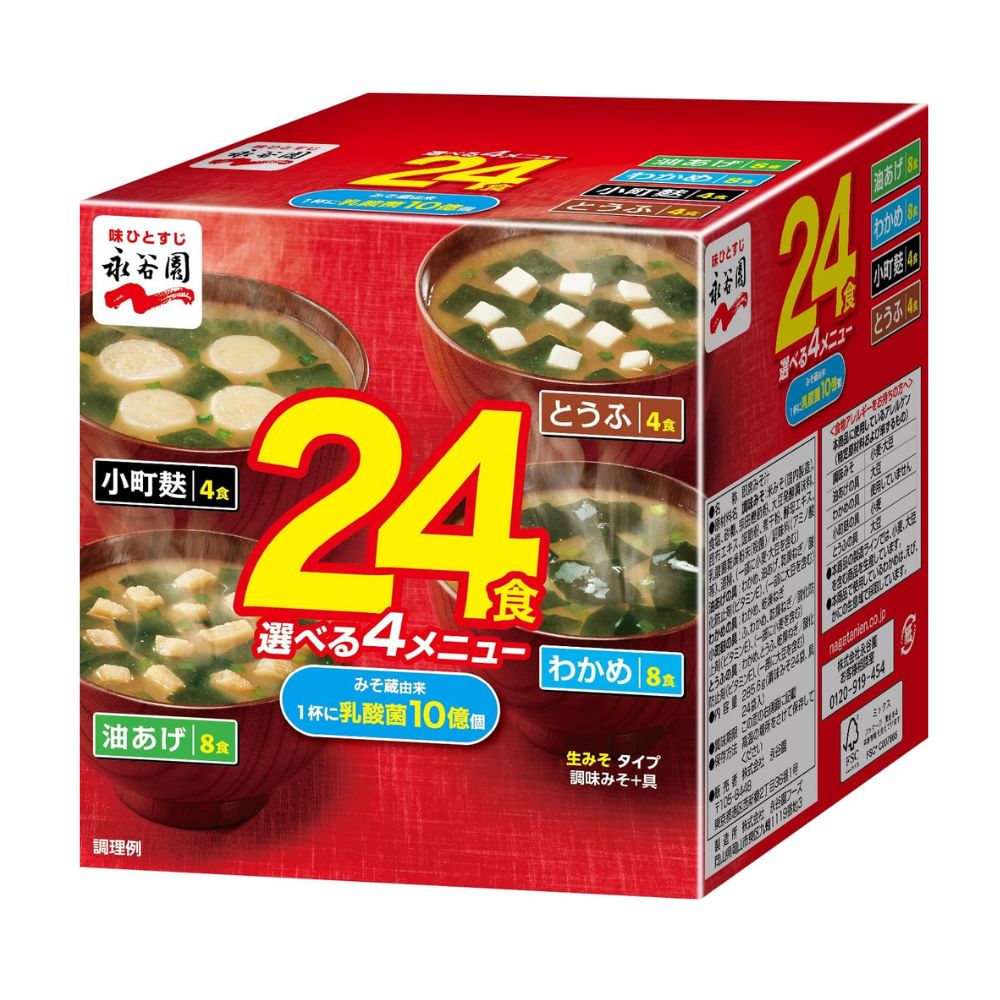
Nagatanien Instant Miso Soup — 4 Fillings, 24 Servings
Overview
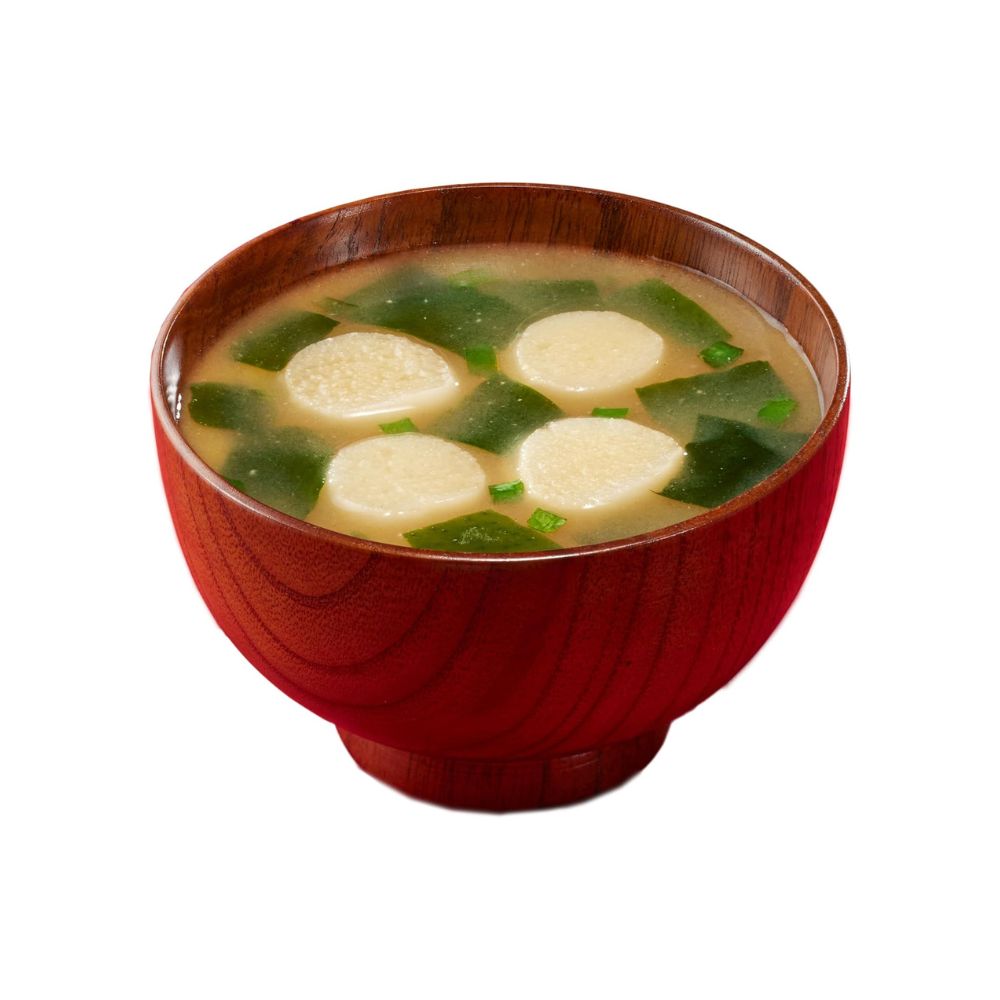
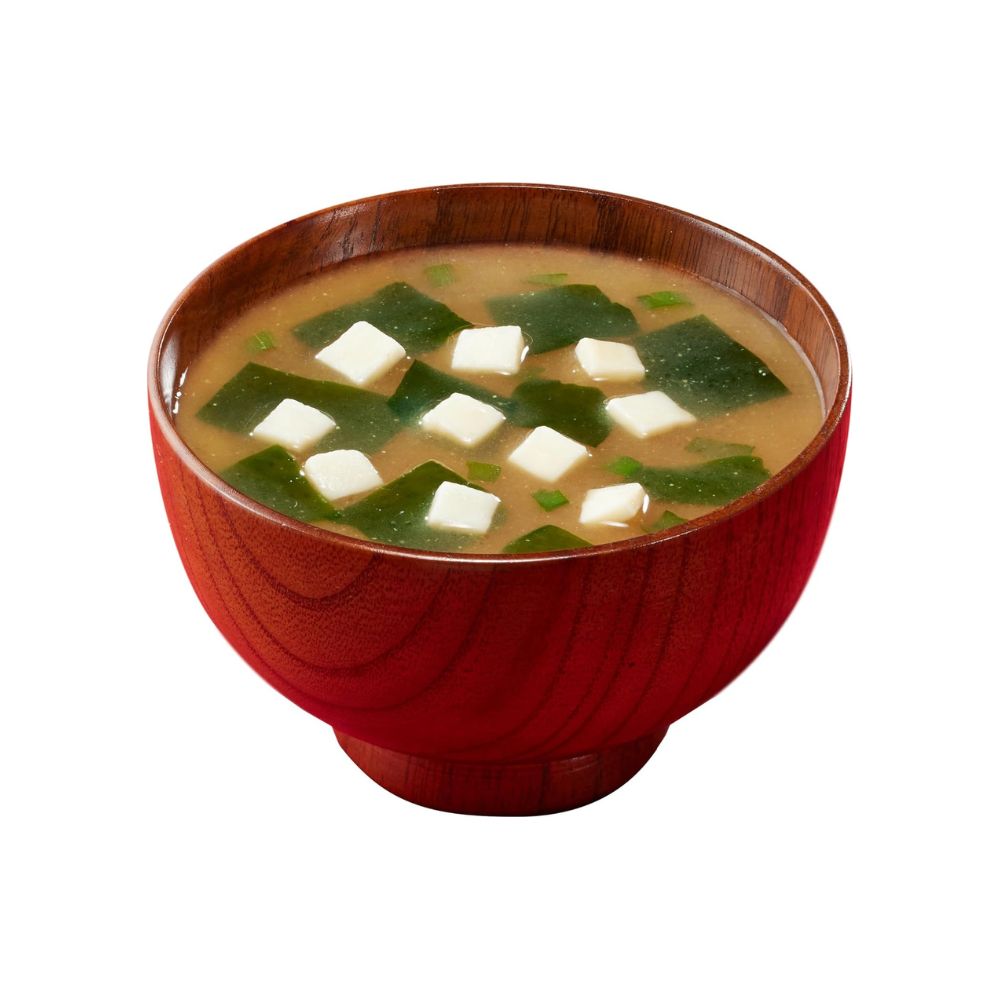
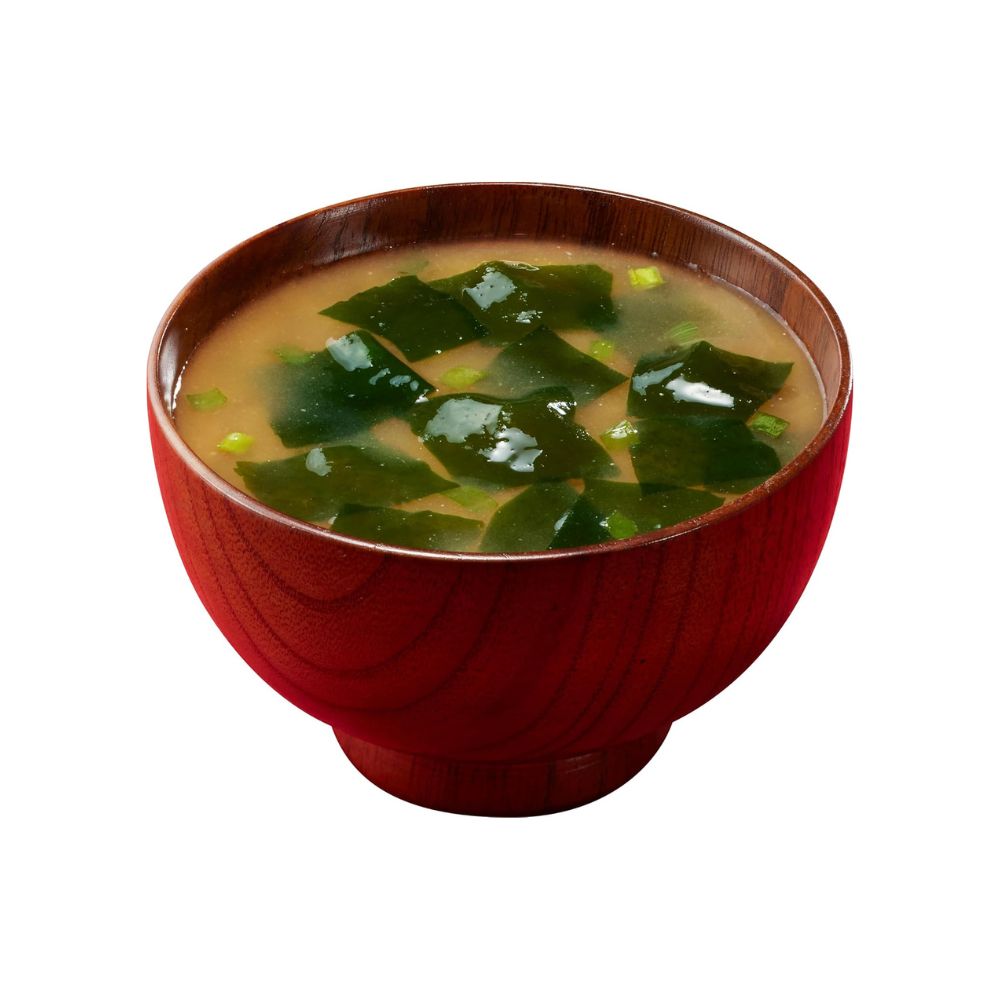
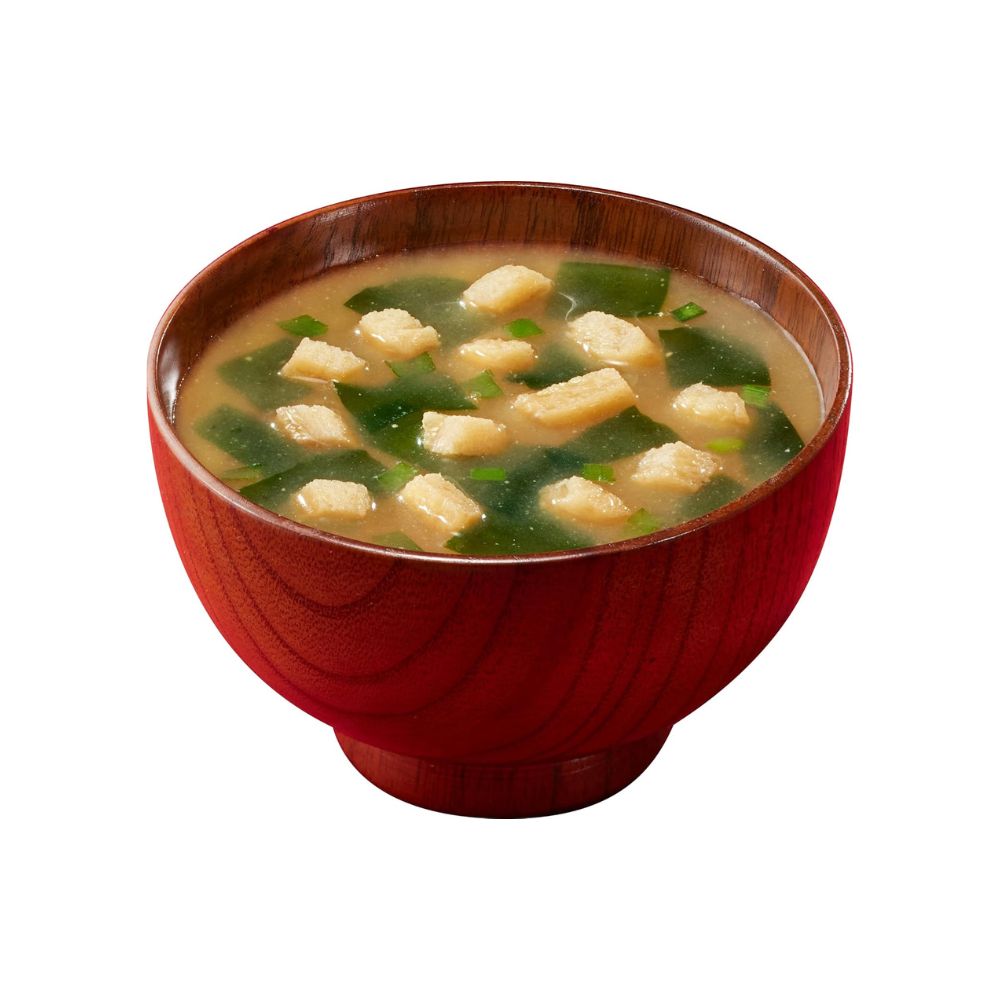
Twenty-four single servings of instant miso soup from Nagatanien, in four fillings: aburaage (fried tofu), wakame, komachi-fu (wheat gluten) and tofu. Each serving is two sachets, one of live-format miso paste and one of dry filling. Net 285.6 g.
Two things on this page matter more than the flavour notes. This soup is built on a fish stock — bonito, dried tuna and dried fish powder are all in the paste, so it is not vegetarian. And the paste contains alcohol as a preservative. Both are stated openly below rather than left inside an ingredient list.
See also Japanese probiotics and Japanese health products.
Key Benefits
- ✓ 24 servings in one box, six each of four fillings
- ✓ Rice miso made in Japan, in the soft paste format rather than freeze-dried powder
- ✓ Ready in under a minute with hot water — no pan, no hob
- ✓ Bonito and kombu stock, the classic Japanese base, already in the paste
- ✓ Full ingredient declaration for the paste and for all four fillings on this page
- ✓ Allergens and the alcohol content stated openly, not buried in a list
- ✓ Individually sealed sachets, so the box can be opened and kept
- ✓ Bought in Japan and dispatched from our own shop in Kobe
Product Details
| Brand | Nagatanien (永谷園) |
|---|---|
| Maker | Nagatanien Co., Ltd., Tokyo, Japan |
| Country of origin | Japan |
| Product type | Instant miso soup, single-serving assortment |
| Servings | 24 |
| Fillings | Aburaage, wakame, komachi-fu, tofu — 6 servings of each |
| Per serving | One miso paste sachet plus one dry filling sachet |
| Net weight | 285.6 g |
| Miso base | Rice miso made in Japan |
| Stock | Bonito, dried tuna, dried fish powder, kombu — not vegetarian |
| Lactic acid bacteria | Heat-treated, approx. 1 billion per serving — not a live culture |
| Alcohol | Yes, in the miso paste, declared as a preservative |
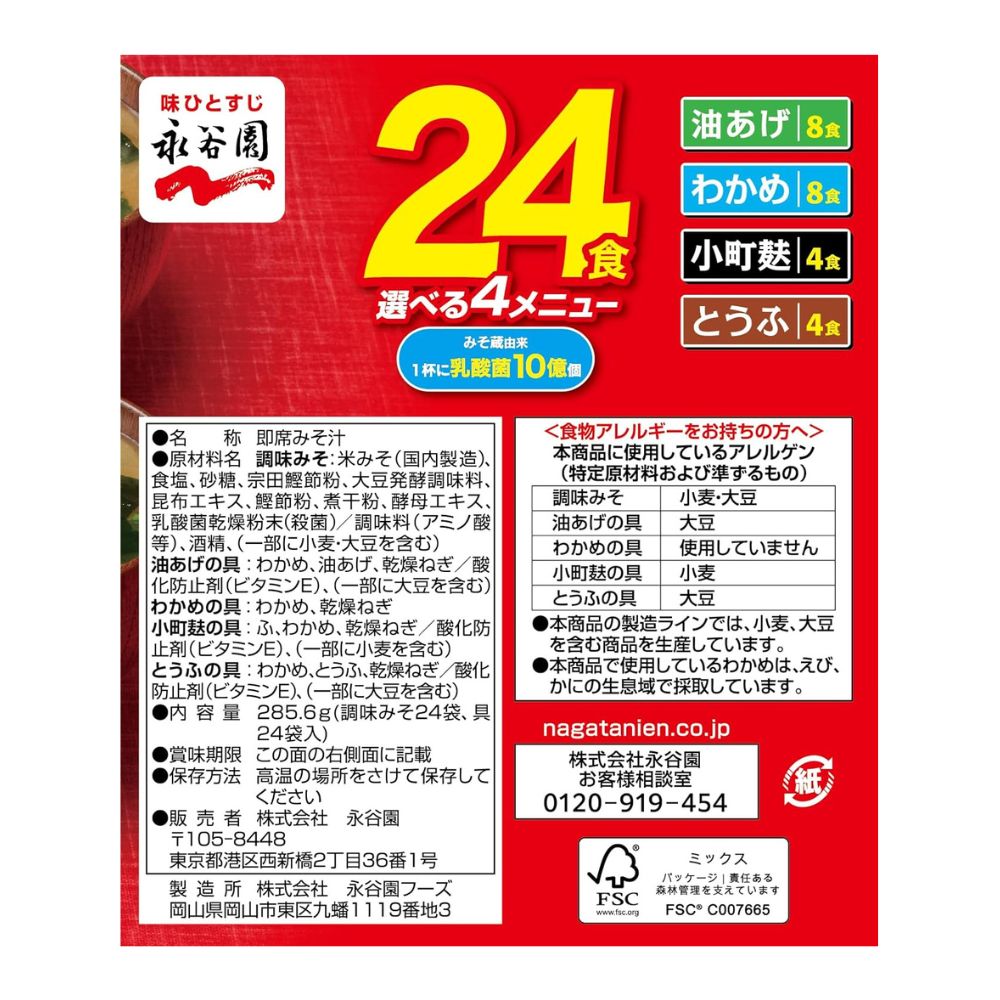
| Allergens | Wheat, soy, fish |
| Preparation | 160–180 mL hot water per serving |
Who Is This For?
- Anyone who wants real Japanese miso soup at a desk or in a hotel room
- People who cook Japanese at home and want a reliable weekday shortcut
- Households who would rather have four fillings than twenty-four of the same
- Not vegetarian and not vegan — the stock is fish
- Not for anyone avoiding alcohol in food; the paste declares alcohol as a preservative
- Not for people with a wheat, soy or fish allergy
- Not a low-salt food, and not the right choice if you are on a sodium-restricted diet
How to Use
- Open one miso paste sachet and one filling sachet.
- Empty both into a cup or a soup bowl.
- Add 160–180 mL of hot water.
- Stir until the paste has fully dissolved and the filling has opened out.
- Drink while hot; miso is not usually reheated.
Frequency: One serving per person. 24 servings per box.
Full Ingredients
Miso paste sachet: rice miso (made in Japan), salt, sugar, tuna powder, fermented soy seasoning, kombu extract, bonito powder, dried fish powder, yeast extract, lactic acid bacteria powder (heat-treated) / amino-acid seasonings, alcohol (as a preservative).
Fillings: aburaage — wakame, fried tofu, spring onion / antioxidant (vitamin E); wakame — wakame, spring onion; komachi-fu — wheat gluten, wakame, spring onion / antioxidant (vitamin E); tofu — wakame, tofu, spring onion / antioxidant (vitamin E).
Allergens declared: wheat, soy and fish. Wheat and soy are named on the Japanese label; the fish comes from the bonito, tuna and dried fish powder in the stock.
Alcohol. Ethanol is used in Japanese seasoning pastes as a preservative and to protect aroma, not as a beverage ingredient. It is in the miso paste of this set. Whether that is acceptable to you is your decision, and we would rather you make it here than at the kitchen counter.
Salt. Instant miso soup is a salty food; a serving of this category typically sits around 1.2–1.5 g of salt equivalent. Nagatanien does not publish a per-serving figure for this assortment, so read the nutrition panel on the box rather than taking a number from us.
Cautions
- Contains wheat, soy and fish. Do not eat it if you are allergic to any of them.
- The miso paste contains alcohol, declared as a preservative.
- Not vegetarian: the stock is made from bonito, tuna and dried fish.
- This is a salty food. If you are on a sodium-restricted diet, read the nutrition panel on the box before eating it.
- Use boiling-hot water carefully, particularly around children.
- The lactic acid bacteria in this product are heat-treated and are not live cultures.
- Store the box in a cool, dry place away from direct sun, and check the best-before date printed on the Japanese packaging.
- Once a sachet is opened, use it straight away.
Package Contents
One box, 24 servings: 24 miso paste sachets and 24 filling sachets — six each of aburaage, wakame, komachi-fu and tofu. Net 285.6 g. Japanese retail packaging, unopened.
Shipping & Store Notes
- Ships directly from Japan
- Processing time: 2–6 business days
- Tracking number provided after dispatch
- Import duties, taxes and food-import rules may apply depending on destination country
- Sealed food cannot be returned once opened, for food-safety reasons
Authenticity Guarantee
Every product at Tsujimoto Market is sourced directly from Japan and verified for authenticity. We never sell fakes or grey-market goods. Each order is carefully packed in Kobe, Japan and dispatched with full tracking.
FAQ
Is it vegetarian?
No. The miso paste is built on a fish stock: bonito, dried tuna and dried fish powder are all declared. The tofu and wakame fillings are plant-based, but the broth they sit in is not.
Are the lactic acid bacteria live?
No, and this is worth being precise about. The label declares heat-treated lactic acid bacteria powder, at roughly one billion per serving. Heat-treated bacteria are not live cultures; they are the bacterial cells themselves, killed. If you specifically want live cultures, this is not that product.
Does it contain alcohol?
Yes. Alcohol is declared in the miso paste as a preservative. This is standard for Japanese seasoning pastes and is there to keep the paste stable and hold its aroma, not to flavour it as a drink. If you avoid alcohol in food, this is the line to read.
What allergens should I know about?
Wheat, soy and fish. Wheat and soy are named on the Japanese label; komachi-fu is wheat gluten. Fish comes from the bonito, tuna and dried fish powder in the paste.
How do I make it?
Empty one paste sachet and one filling sachet into a cup or bowl, add 160–180 mL of hot water and stir until the paste is fully dissolved. It takes under a minute and does not need boiling on a hob.