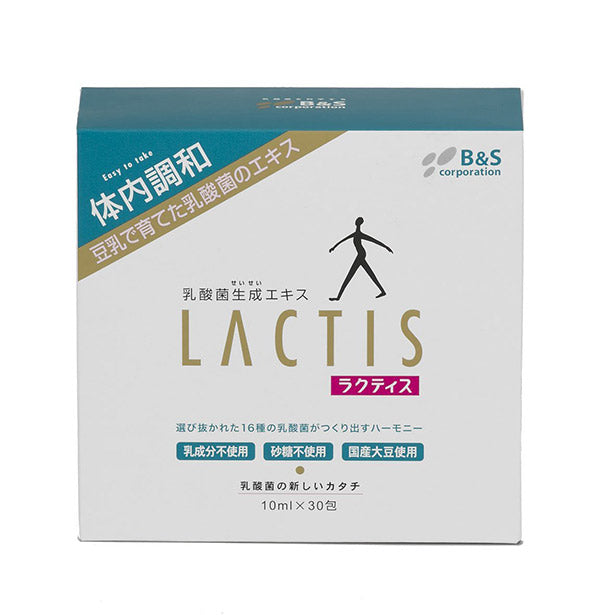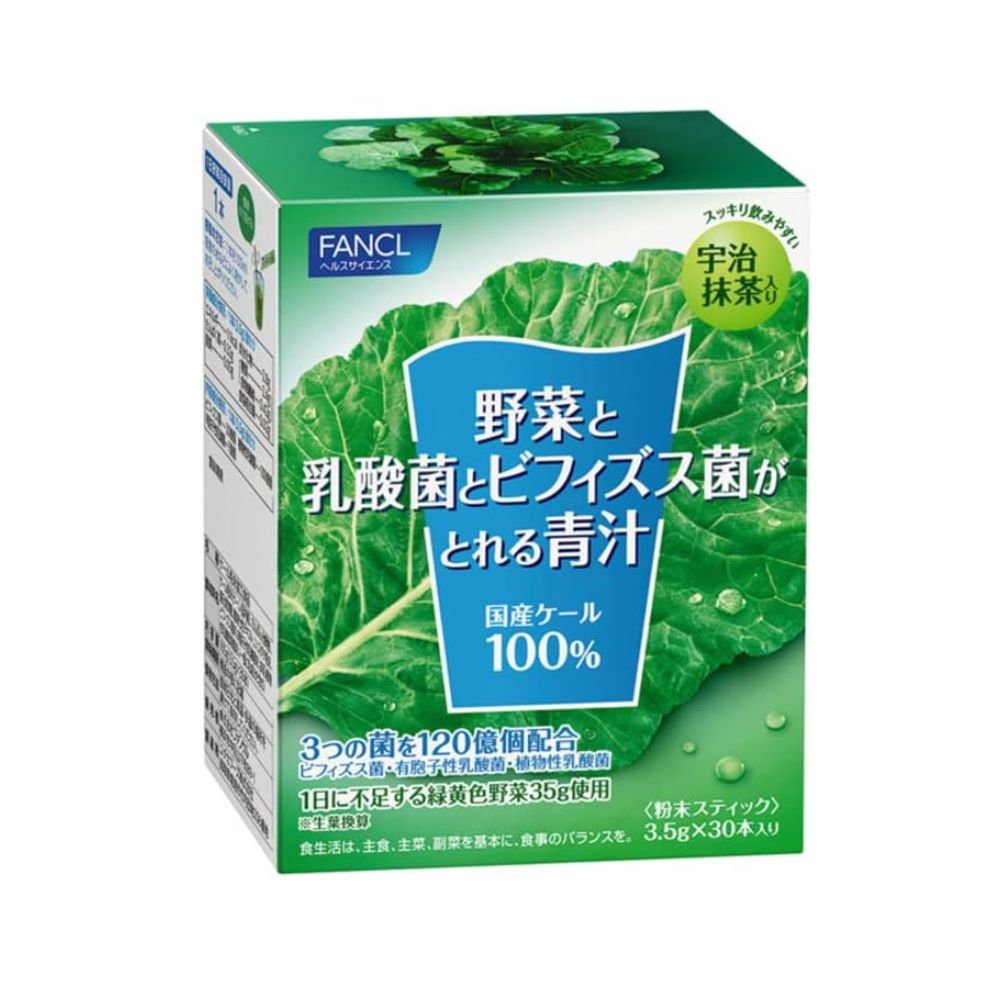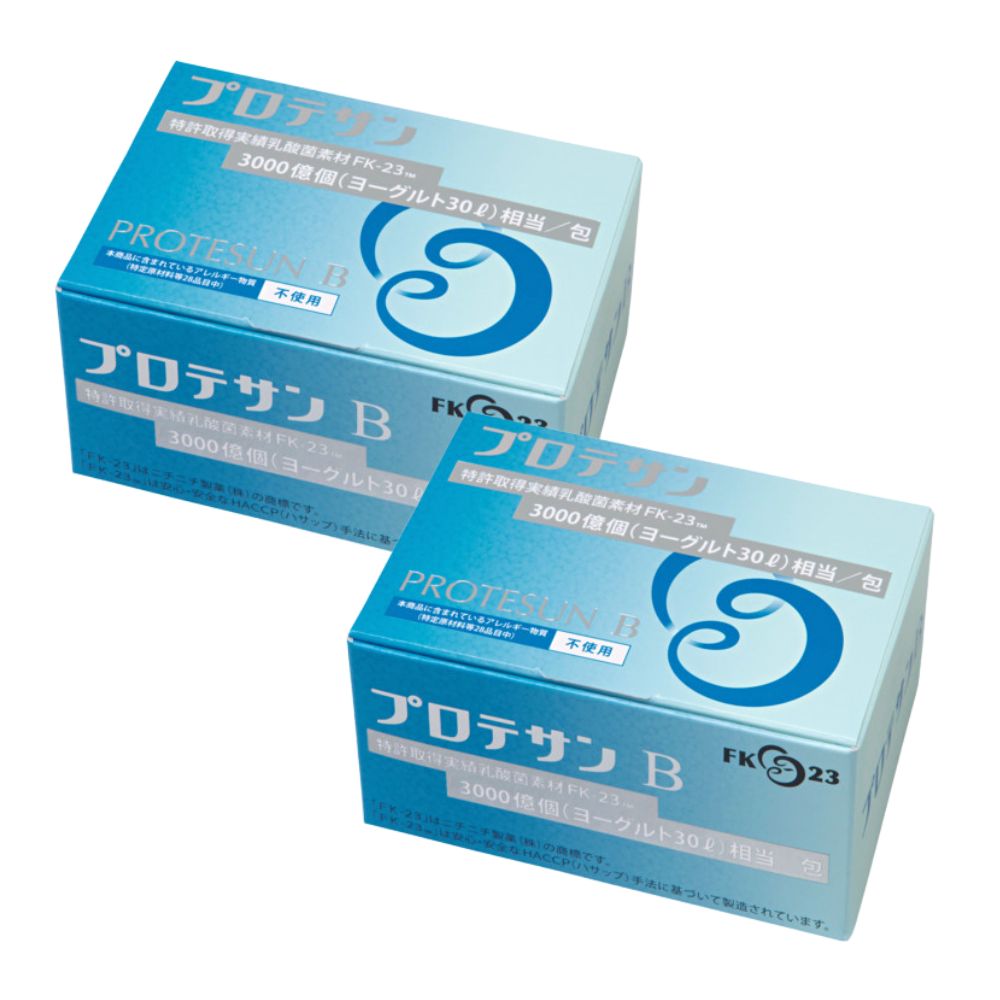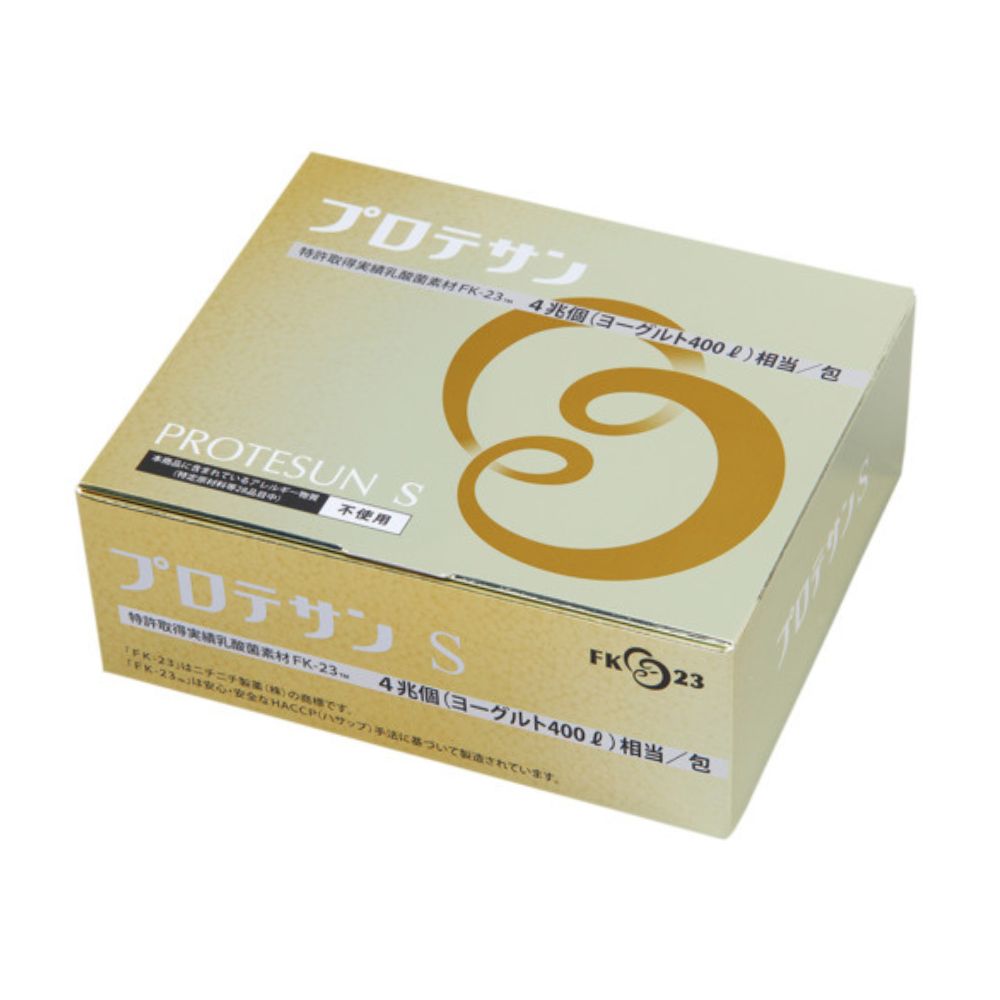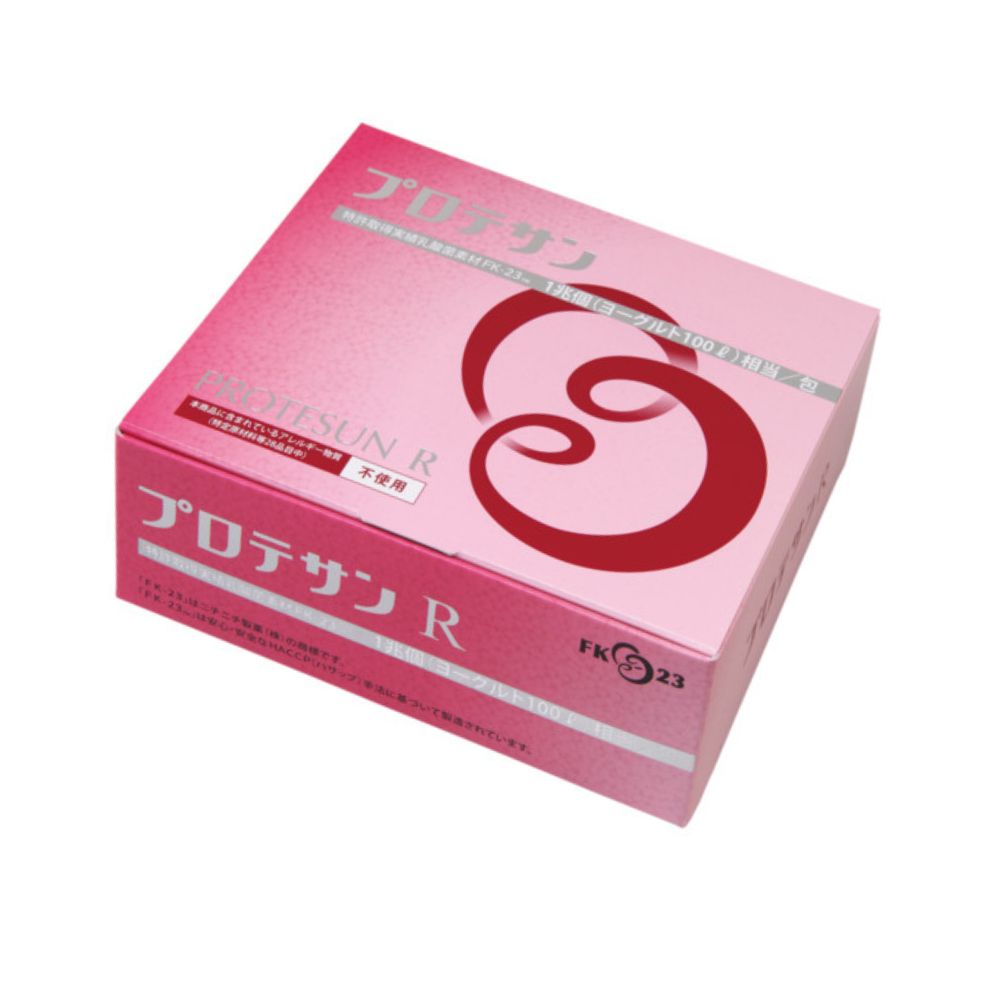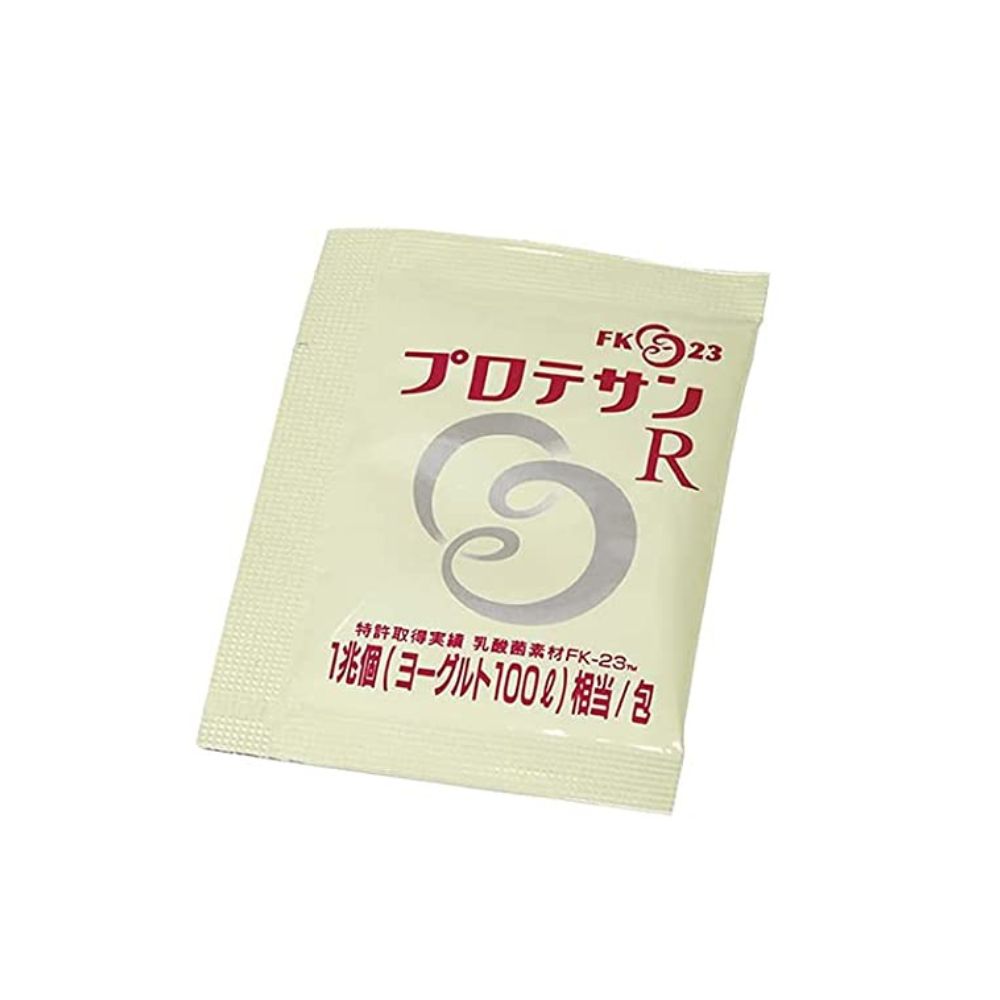

Japan is a world leader in probiotic research and production, with a fermented food culture that stretches back thousands of years. Japanese probiotic supplements harness this expertise, featuring clinically studied bacterial strains that support digestive health, immune function, skin clarity, and overall wellbeing. Many of the world's most researched probiotic strains were discovered and developed by Japanese scientists.
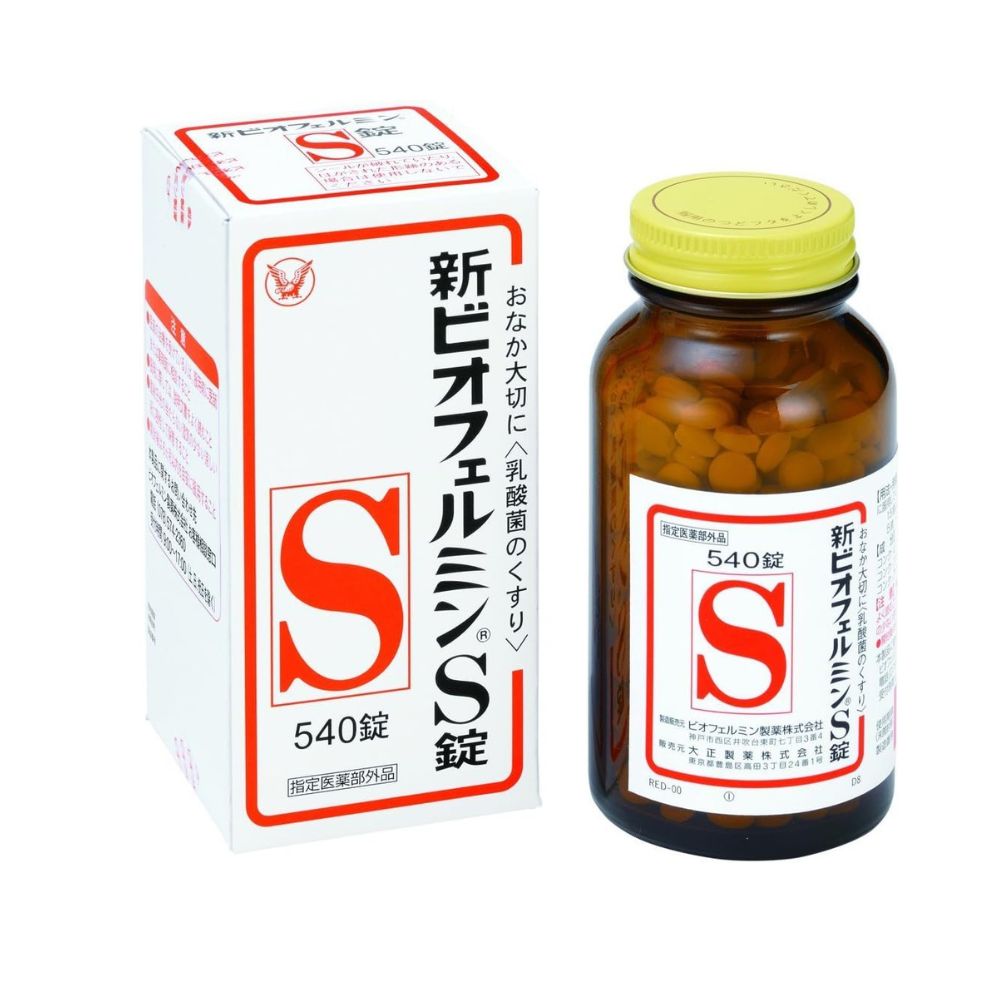
At Tsujimoto Market, our probiotic collection features Japan's most trusted brands: Biofermin (Japan's #1 probiotic for over 100 years), Yakult BL supplements, DHC lactic acid bacteria, FANCL Enkin probiotics, and specialty formulas from Morishita Jintan and Kobayashi Pharmaceutical. We carry traditional lactic acid bacteria, bifidobacterium, and advanced multi-strain formulas.
Japanese probiotics stand out for their strain specificity and clinical backing. Japanese manufacturers identify specific bacterial strains for specific health goals — certain strains for digestive comfort, others for immune support, skin health, or allergy reduction. Many products use proprietary encapsulation technology that protects bacteria through stomach acid, ensuring they reach the intestines alive and active.
All supplements are authentic and shipped directly from Japan.
Frequently Asked Questions
What is Biofermin and why is it so popular in Japan?
Biofermin has been Japan's most trusted digestive supplement for over 100 years. It contains three types of beneficial bacteria (Bifidobacterium, Lactobacillus acidophilus, and Streptococcus faecalis) that work together to balance gut flora. It is gentle enough for children and elderly, and is used daily by millions of Japanese families for general digestive health.
What is the difference between probiotics and fermented foods?
Fermented foods like miso, natto, and yogurt naturally contain beneficial bacteria, but the strains and quantities vary. Probiotic supplements provide specific, clinically studied strains in controlled amounts, ensuring you receive a therapeutic dose. For best results, Japanese health experts recommend both — fermented foods in your diet plus targeted probiotic supplements.
When is the best time to take Japanese probiotics?
Most Japanese probiotic brands recommend taking them after meals, when stomach acid is diluted by food. This improves survival of the bacteria through the stomach. Some advanced formulas with acid-resistant capsules can be taken anytime. Consistency is more important than timing — take them at the same time daily for best results.
Can probiotics help with skin problems?
Yes. Japanese research has shown that certain probiotic strains can improve skin conditions like acne, eczema, and dullness by improving gut health (the gut-skin axis). Japanese probiotic brands increasingly offer beauty-focused formulas that combine specific bacterial strains with collagen, hyaluronic acid, or vitamin C for skin benefits from within.